| 1 | // Copyright 2014 The Flutter Authors. All rights reserved. |
| 2 | // Use of this source code is governed by a BSD-style license that can be |
|---|
| 3 | // found in the LICENSE file. |
|---|
| 4 | |
|---|
| 5 | // Examples can assume: |
|---|
| 6 | // late BuildContext context; |
|---|
| 7 | |
|---|
| 8 | /// @docImport 'package:flutter/widgets.dart'; |
|---|
| 9 | /// @docImport '_web_image_info_io.dart'; |
|---|
| 10 | library; |
|---|
| 11 | |
|---|
| 12 | import 'dart:async'; |
|---|
| 13 | import 'dart:io'; |
|---|
| 14 | import 'dart:math' as math; |
|---|
| 15 | import 'dart:ui' as ui; |
|---|
| 16 | |
|---|
| 17 | import 'package:flutter/foundation.dart'; |
|---|
| 18 | import 'package:flutter/services.dart'; |
|---|
| 19 | |
|---|
| 20 | import '_network_image_io.dart' |
|---|
| 21 | if (dart.library.js_util) '_network_image_web.dart' |
|---|
| 22 | as network_image; |
|---|
| 23 | import 'binding.dart'; |
|---|
| 24 | import 'image_cache.dart'; |
|---|
| 25 | import 'image_stream.dart'; |
|---|
| 26 | |
|---|
| 27 | /// Signature for the callback taken by [ImageProvider._createErrorHandlerAndKey]. |
|---|
| 28 | typedef _KeyAndErrorHandlerCallback<T> = void Function(T key, ImageErrorListener handleError); |
|---|
| 29 | |
|---|
| 30 | /// Signature used for error handling by [ImageProvider._createErrorHandlerAndKey]. |
|---|
| 31 | typedef _AsyncKeyErrorHandler<T> = |
|---|
| 32 | Future<void> Function(T key, Object exception, StackTrace? stack); |
|---|
| 33 | |
|---|
| 34 | /// Configuration information passed to the [ImageProvider.resolve] method to |
|---|
| 35 | /// select a specific image. |
|---|
| 36 | /// |
|---|
| 37 | /// See also: |
|---|
| 38 | /// |
|---|
| 39 | /// * [createLocalImageConfiguration], which creates an [ImageConfiguration] |
|---|
| 40 | /// based on ambient configuration in a [Widget] environment. |
|---|
| 41 | /// * [ImageProvider], which uses [ImageConfiguration] objects to determine |
|---|
| 42 | /// which image to obtain. |
|---|
| 43 | @immutable |
|---|
| 44 | class ImageConfiguration { |
|---|
| 45 | /// Creates an object holding the configuration information for an [ImageProvider]. |
|---|
| 46 | /// |
|---|
| 47 | /// All the arguments are optional. Configuration information is merely |
|---|
| 48 | /// advisory and best-effort. |
|---|
| 49 | const ImageConfiguration({ |
|---|
| 50 | this.bundle, |
|---|
| 51 | this.devicePixelRatio, |
|---|
| 52 | this.locale, |
|---|
| 53 | this.textDirection, |
|---|
| 54 | this.size, |
|---|
| 55 | this.platform, |
|---|
| 56 | }); |
|---|
| 57 | |
|---|
| 58 | /// Creates an object holding the configuration information for an [ImageProvider]. |
|---|
| 59 | /// |
|---|
| 60 | /// All the arguments are optional. Configuration information is merely |
|---|
| 61 | /// advisory and best-effort. |
|---|
| 62 | ImageConfiguration copyWith({ |
|---|
| 63 | AssetBundle? bundle, |
|---|
| 64 | double? devicePixelRatio, |
|---|
| 65 | ui.Locale? locale, |
|---|
| 66 | TextDirection? textDirection, |
|---|
| 67 | Size? size, |
|---|
| 68 | TargetPlatform? platform, |
|---|
| 69 | }) { |
|---|
| 70 | return ImageConfiguration( |
|---|
| 71 | bundle: bundle ?? this.bundle, |
|---|
| 72 | devicePixelRatio: devicePixelRatio ?? this.devicePixelRatio, |
|---|
| 73 | locale: locale ?? this.locale, |
|---|
| 74 | textDirection: textDirection ?? this.textDirection, |
|---|
| 75 | size: size ?? this.size, |
|---|
| 76 | platform: platform ?? this.platform, |
|---|
| 77 | ); |
|---|
| 78 | } |
|---|
| 79 | |
|---|
| 80 | /// The preferred [AssetBundle] to use if the [ImageProvider] needs one and |
|---|
| 81 | /// does not have one already selected. |
|---|
| 82 | final AssetBundle? bundle; |
|---|
| 83 | |
|---|
| 84 | /// The device pixel ratio where the image will be shown. |
|---|
| 85 | final double? devicePixelRatio; |
|---|
| 86 | |
|---|
| 87 | /// The language and region for which to select the image. |
|---|
| 88 | final ui.Locale? locale; |
|---|
| 89 | |
|---|
| 90 | /// The reading direction of the language for which to select the image. |
|---|
| 91 | final TextDirection? textDirection; |
|---|
| 92 | |
|---|
| 93 | /// The size at which the image will be rendered. |
|---|
| 94 | final Size? size; |
|---|
| 95 | |
|---|
| 96 | /// The [TargetPlatform] for which assets should be used. This allows images |
|---|
| 97 | /// to be specified in a platform-neutral fashion yet use different assets on |
|---|
| 98 | /// different platforms, to match local conventions e.g. for color matching or |
|---|
| 99 | /// shadows. |
|---|
| 100 | final TargetPlatform? platform; |
|---|
| 101 | |
|---|
| 102 | /// An image configuration that provides no additional information. |
|---|
| 103 | /// |
|---|
| 104 | /// Useful when resolving an [ImageProvider] without any context. |
|---|
| 105 | static const ImageConfiguration empty = ImageConfiguration(); |
|---|
| 106 | |
|---|
| 107 | @override |
|---|
| 108 | bool operator ==(Object other) { |
|---|
| 109 | if (other.runtimeType != runtimeType) { |
|---|
| 110 | return false; |
|---|
| 111 | } |
|---|
| 112 | return other is ImageConfiguration && |
|---|
| 113 | other.bundle == bundle && |
|---|
| 114 | other.devicePixelRatio == devicePixelRatio && |
|---|
| 115 | other.locale == locale && |
|---|
| 116 | other.textDirection == textDirection && |
|---|
| 117 | other.size == size && |
|---|
| 118 | other.platform == platform; |
|---|
| 119 | } |
|---|
| 120 | |
|---|
| 121 | @override |
|---|
| 122 | int get hashCode => Object.hash(bundle, devicePixelRatio, locale, size, platform); |
|---|
| 123 | |
|---|
| 124 | @override |
|---|
| 125 | String toString() { |
|---|
| 126 | final StringBuffer result = StringBuffer(); |
|---|
| 127 | result.write('ImageConfiguration(' ); |
|---|
| 128 | bool hasArguments = false; |
|---|
| 129 | if (bundle != null) { |
|---|
| 130 | result.write('bundle: $bundle' ); |
|---|
| 131 | hasArguments = true; |
|---|
| 132 | } |
|---|
| 133 | if (devicePixelRatio != null) { |
|---|
| 134 | if (hasArguments) { |
|---|
| 135 | result.write(', ' ); |
|---|
| 136 | } |
|---|
| 137 | result.write('devicePixelRatio: ${devicePixelRatio!.toStringAsFixed(1)}' ); |
|---|
| 138 | hasArguments = true; |
|---|
| 139 | } |
|---|
| 140 | if (locale != null) { |
|---|
| 141 | if (hasArguments) { |
|---|
| 142 | result.write(', ' ); |
|---|
| 143 | } |
|---|
| 144 | result.write('locale: $locale' ); |
|---|
| 145 | hasArguments = true; |
|---|
| 146 | } |
|---|
| 147 | if (textDirection != null) { |
|---|
| 148 | if (hasArguments) { |
|---|
| 149 | result.write(', ' ); |
|---|
| 150 | } |
|---|
| 151 | result.write('textDirection: $textDirection' ); |
|---|
| 152 | hasArguments = true; |
|---|
| 153 | } |
|---|
| 154 | if (size != null) { |
|---|
| 155 | if (hasArguments) { |
|---|
| 156 | result.write(', ' ); |
|---|
| 157 | } |
|---|
| 158 | result.write('size: $size' ); |
|---|
| 159 | hasArguments = true; |
|---|
| 160 | } |
|---|
| 161 | if (platform != null) { |
|---|
| 162 | if (hasArguments) { |
|---|
| 163 | result.write(', ' ); |
|---|
| 164 | } |
|---|
| 165 | result.write('platform: ${platform!.name}' ); |
|---|
| 166 | hasArguments = true; |
|---|
| 167 | } |
|---|
| 168 | result.write(')' ); |
|---|
| 169 | return result.toString(); |
|---|
| 170 | } |
|---|
| 171 | } |
|---|
| 172 | |
|---|
| 173 | /// Performs the decode process for use in [ImageProvider.loadBuffer]. |
|---|
| 174 | /// |
|---|
| 175 | /// This callback allows decoupling of the `cacheWidth`, `cacheHeight`, and |
|---|
| 176 | /// `allowUpscaling` parameters from implementations of [ImageProvider] that do |
|---|
| 177 | /// not expose them. |
|---|
| 178 | /// |
|---|
| 179 | /// See also: |
|---|
| 180 | /// |
|---|
| 181 | /// * [ResizeImage], which uses this to override the `cacheWidth`, |
|---|
| 182 | /// `cacheHeight`, and `allowUpscaling` parameters. |
|---|
| 183 | @Deprecated( |
|---|
| 184 | 'Use ImageDecoderCallback with ImageProvider.loadImage instead. ' |
|---|
| 185 | 'This feature was deprecated after v3.7.0-1.4.pre.' , |
|---|
| 186 | ) |
|---|
| 187 | typedef DecoderBufferCallback = |
|---|
| 188 | Future<ui.Codec> Function( |
|---|
| 189 | ui.ImmutableBuffer buffer, { |
|---|
| 190 | int? cacheWidth, |
|---|
| 191 | int? cacheHeight, |
|---|
| 192 | bool allowUpscaling, |
|---|
| 193 | }); |
|---|
| 194 | |
|---|
| 195 | // Method signature for _loadAsync decode callbacks. |
|---|
| 196 | typedef _SimpleDecoderCallback = Future<ui.Codec> Function(ui.ImmutableBuffer buffer); |
|---|
| 197 | |
|---|
| 198 | /// Performs the decode process for use in [ImageProvider.loadImage]. |
|---|
| 199 | /// |
|---|
| 200 | /// This callback allows decoupling of the `getTargetSize` parameter from |
|---|
| 201 | /// implementations of [ImageProvider] that do not expose it. |
|---|
| 202 | /// |
|---|
| 203 | /// See also: |
|---|
| 204 | /// |
|---|
| 205 | /// * [ResizeImage], which uses this to load images at specific sizes. |
|---|
| 206 | typedef ImageDecoderCallback = |
|---|
| 207 | Future<ui.Codec> Function( |
|---|
| 208 | ui.ImmutableBuffer buffer, { |
|---|
| 209 | ui.TargetImageSizeCallback? getTargetSize, |
|---|
| 210 | }); |
|---|
| 211 | |
|---|
| 212 | /// Identifies an image without committing to the precise final asset. This |
|---|
| 213 | /// allows a set of images to be identified and for the precise image to later |
|---|
| 214 | /// be resolved based on the environment, e.g. the device pixel ratio. |
|---|
| 215 | /// |
|---|
| 216 | /// To obtain an [ImageStream] from an [ImageProvider], call [resolve], |
|---|
| 217 | /// passing it an [ImageConfiguration] object. |
|---|
| 218 | /// |
|---|
| 219 | /// [ImageProvider] uses the global [imageCache] to cache images. |
|---|
| 220 | /// |
|---|
| 221 | /// The type argument `T` is the type of the object used to represent a resolved |
|---|
| 222 | /// configuration. This is also the type used for the key in the image cache. It |
|---|
| 223 | /// should be immutable and implement the [==] operator and the [hashCode] |
|---|
| 224 | /// getter. Subclasses should subclass a variant of [ImageProvider] with an |
|---|
| 225 | /// explicit `T` type argument. |
|---|
| 226 | /// |
|---|
| 227 | /// The type argument does not have to be specified when using the type as an |
|---|
| 228 | /// argument (where any image provider is acceptable). |
|---|
| 229 | /// |
|---|
| 230 | /// The following image formats are supported: {@macro dart.ui.imageFormats} |
|---|
| 231 | /// |
|---|
| 232 | /// ## Lifecycle of resolving an image |
|---|
| 233 | /// |
|---|
| 234 | /// The [ImageProvider] goes through the following lifecycle to resolve an |
|---|
| 235 | /// image, once the [resolve] method is called: |
|---|
| 236 | /// |
|---|
| 237 | /// 1. Create an [ImageStream] using [createStream] to return to the caller. |
|---|
| 238 | /// This stream will be used to communicate back to the caller when the |
|---|
| 239 | /// image is decoded and ready to display, or when an error occurs. |
|---|
| 240 | /// 2. Obtain the key for the image using [obtainKey]. |
|---|
| 241 | /// Calling this method can throw exceptions into the zone asynchronously |
|---|
| 242 | /// or into the call stack synchronously. To handle that, an error handler |
|---|
| 243 | /// is created that catches both synchronous and asynchronous errors, to |
|---|
| 244 | /// make sure errors can be routed to the correct consumers. |
|---|
| 245 | /// The error handler is passed on to [resolveStreamForKey] and the |
|---|
| 246 | /// [ImageCache]. |
|---|
| 247 | /// 3. If the key is successfully obtained, schedule resolution of the image |
|---|
| 248 | /// using that key. This is handled by [resolveStreamForKey]. That method |
|---|
| 249 | /// may fizzle if it determines the image is no longer necessary, use the |
|---|
| 250 | /// provided [ImageErrorListener] to report an error, set the completer |
|---|
| 251 | /// from the cache if possible, or call [loadImage] to fetch the encoded image |
|---|
| 252 | /// bytes and schedule decoding. |
|---|
| 253 | /// 4. The [loadImage] method is responsible for both fetching the encoded bytes |
|---|
| 254 | /// and decoding them using the provided [ImageDecoderCallback]. It is called |
|---|
| 255 | /// in a context that uses the [ImageErrorListener] to report errors back. |
|---|
| 256 | /// |
|---|
| 257 | /// Subclasses normally only have to implement the [loadImage] and [obtainKey] |
|---|
| 258 | /// methods. A subclass that needs finer grained control over the [ImageStream] |
|---|
| 259 | /// type must override [createStream]. A subclass that needs finer grained |
|---|
| 260 | /// control over the resolution, such as delaying calling [loadImage], must override |
|---|
| 261 | /// [resolveStreamForKey]. |
|---|
| 262 | /// |
|---|
| 263 | /// The [resolve] method is marked as [nonVirtual] so that [ImageProvider]s can |
|---|
| 264 | /// be properly composed, and so that the base class can properly set up error |
|---|
| 265 | /// handling for subsequent methods. |
|---|
| 266 | /// |
|---|
| 267 | /// ## Using an [ImageProvider] |
|---|
| 268 | /// |
|---|
| 269 | /// {@tool snippet} |
|---|
| 270 | /// |
|---|
| 271 | /// The following shows the code required to write a widget that fully conforms |
|---|
| 272 | /// to the [ImageProvider] and [Widget] protocols. (It is essentially a |
|---|
| 273 | /// bare-bones version of the [Image] widget.) |
|---|
| 274 | /// |
|---|
| 275 | /// ```dart |
|---|
| 276 | /// class MyImage extends StatefulWidget { |
|---|
| 277 | /// const MyImage({ |
|---|
| 278 | /// super.key, |
|---|
| 279 | /// required this.imageProvider, |
|---|
| 280 | /// }); |
|---|
| 281 | /// |
|---|
| 282 | /// final ImageProvider imageProvider; |
|---|
| 283 | /// |
|---|
| 284 | /// @override |
|---|
| 285 | /// State<MyImage> createState() => _MyImageState(); |
|---|
| 286 | /// } |
|---|
| 287 | /// |
|---|
| 288 | /// class _MyImageState extends State<MyImage> { |
|---|
| 289 | /// ImageStream? _imageStream; |
|---|
| 290 | /// ImageInfo? _imageInfo; |
|---|
| 291 | /// |
|---|
| 292 | /// @override |
|---|
| 293 | /// void didChangeDependencies() { |
|---|
| 294 | /// super.didChangeDependencies(); |
|---|
| 295 | /// // We call _getImage here because createLocalImageConfiguration() needs to |
|---|
| 296 | /// // be called again if the dependencies changed, in case the changes relate |
|---|
| 297 | /// // to the DefaultAssetBundle, MediaQuery, etc, which that method uses. |
|---|
| 298 | /// _getImage(); |
|---|
| 299 | /// } |
|---|
| 300 | /// |
|---|
| 301 | /// @override |
|---|
| 302 | /// void didUpdateWidget(MyImage oldWidget) { |
|---|
| 303 | /// super.didUpdateWidget(oldWidget); |
|---|
| 304 | /// if (widget.imageProvider != oldWidget.imageProvider) { |
|---|
| 305 | /// _getImage(); |
|---|
| 306 | /// } |
|---|
| 307 | /// } |
|---|
| 308 | /// |
|---|
| 309 | /// void _getImage() { |
|---|
| 310 | /// final ImageStream? oldImageStream = _imageStream; |
|---|
| 311 | /// _imageStream = widget.imageProvider.resolve(createLocalImageConfiguration(context)); |
|---|
| 312 | /// if (_imageStream!.key != oldImageStream?.key) { |
|---|
| 313 | /// // If the keys are the same, then we got the same image back, and so we don't |
|---|
| 314 | /// // need to update the listeners. If the key changed, though, we must make sure |
|---|
| 315 | /// // to switch our listeners to the new image stream. |
|---|
| 316 | /// final ImageStreamListener listener = ImageStreamListener(_updateImage); |
|---|
| 317 | /// oldImageStream?.removeListener(listener); |
|---|
| 318 | /// _imageStream!.addListener(listener); |
|---|
| 319 | /// } |
|---|
| 320 | /// } |
|---|
| 321 | /// |
|---|
| 322 | /// void _updateImage(ImageInfo imageInfo, bool synchronousCall) { |
|---|
| 323 | /// setState(() { |
|---|
| 324 | /// // Trigger a build whenever the image changes. |
|---|
| 325 | /// _imageInfo?.dispose(); |
|---|
| 326 | /// _imageInfo = imageInfo; |
|---|
| 327 | /// }); |
|---|
| 328 | /// } |
|---|
| 329 | /// |
|---|
| 330 | /// @override |
|---|
| 331 | /// void dispose() { |
|---|
| 332 | /// _imageStream?.removeListener(ImageStreamListener(_updateImage)); |
|---|
| 333 | /// _imageInfo?.dispose(); |
|---|
| 334 | /// _imageInfo = null; |
|---|
| 335 | /// super.dispose(); |
|---|
| 336 | /// } |
|---|
| 337 | /// |
|---|
| 338 | /// @override |
|---|
| 339 | /// Widget build(BuildContext context) { |
|---|
| 340 | /// return RawImage( |
|---|
| 341 | /// image: _imageInfo?.image, // this is a dart:ui Image object |
|---|
| 342 | /// scale: _imageInfo?.scale ?? 1.0, |
|---|
| 343 | /// ); |
|---|
| 344 | /// } |
|---|
| 345 | /// } |
|---|
| 346 | /// ``` |
|---|
| 347 | /// {@end-tool} |
|---|
| 348 | /// |
|---|
| 349 | /// ## Creating an [ImageProvider] |
|---|
| 350 | /// |
|---|
| 351 | /// {@tool dartpad} |
|---|
| 352 | /// In this example, a variant of [NetworkImage] is created that passes all the |
|---|
| 353 | /// [ImageConfiguration] information (locale, platform, size, etc) to the server |
|---|
| 354 | /// using query arguments in the image URL. |
|---|
| 355 | /// |
|---|
| 356 | /// ** See code in examples/api/lib/painting/image_provider/image_provider.0.dart ** |
|---|
| 357 | /// {@end-tool} |
|---|
| 358 | @optionalTypeArgs |
|---|
| 359 | abstract class ImageProvider<T extends Object> { |
|---|
| 360 | /// Abstract const constructor. This constructor enables subclasses to provide |
|---|
| 361 | /// const constructors so that they can be used in const expressions. |
|---|
| 362 | const ImageProvider(); |
|---|
| 363 | |
|---|
| 364 | /// Resolves this image provider using the given `configuration`, returning |
|---|
| 365 | /// an [ImageStream]. |
|---|
| 366 | /// |
|---|
| 367 | /// This is the public entry-point of the [ImageProvider] class hierarchy. |
|---|
| 368 | /// |
|---|
| 369 | /// Subclasses should implement [obtainKey] and [loadImage], which are used by |
|---|
| 370 | /// this method. If they need to change the implementation of [ImageStream] |
|---|
| 371 | /// used, they should override [createStream]. If they need to manage the |
|---|
| 372 | /// actual resolution of the image, they should override [resolveStreamForKey]. |
|---|
| 373 | /// |
|---|
| 374 | /// See the Lifecycle documentation on [ImageProvider] for more information. |
|---|
| 375 | @nonVirtual |
|---|
| 376 | ImageStream resolve(ImageConfiguration configuration) { |
|---|
| 377 | final ImageStream stream = createStream(configuration); |
|---|
| 378 | // Load the key (potentially asynchronously), set up an error handling zone, |
|---|
| 379 | // and call resolveStreamForKey. |
|---|
| 380 | _createErrorHandlerAndKey( |
|---|
| 381 | configuration, |
|---|
| 382 | (T key, ImageErrorListener errorHandler) { |
|---|
| 383 | resolveStreamForKey(configuration, stream, key, errorHandler); |
|---|
| 384 | }, |
|---|
| 385 | (T? key, Object exception, StackTrace? stack) async { |
|---|
| 386 | await null; // wait an event turn in case a listener has been added to the image stream. |
|---|
| 387 | InformationCollector? collector; |
|---|
| 388 | assert(() { |
|---|
| 389 | collector = () => <DiagnosticsNode>[ |
|---|
| 390 | DiagnosticsProperty<ImageProvider>('Image provider' , this), |
|---|
| 391 | DiagnosticsProperty<ImageConfiguration>('Image configuration' , configuration), |
|---|
| 392 | DiagnosticsProperty<T>('Image key' , key, defaultValue: null), |
|---|
| 393 | ]; |
|---|
| 394 | return true; |
|---|
| 395 | }()); |
|---|
| 396 | if (stream.completer == null) { |
|---|
| 397 | stream.setCompleter(_ErrorImageCompleter()); |
|---|
| 398 | } |
|---|
| 399 | stream.completer!.reportError( |
|---|
| 400 | exception: exception, |
|---|
| 401 | stack: stack, |
|---|
| 402 | context: ErrorDescription('while resolving an image' ), |
|---|
| 403 | silent: true, // could be a network error or whatnot |
|---|
| 404 | informationCollector: collector, |
|---|
| 405 | ); |
|---|
| 406 | }, |
|---|
| 407 | ); |
|---|
| 408 | return stream; |
|---|
| 409 | } |
|---|
| 410 | |
|---|
| 411 | /// Called by [resolve] to create the [ImageStream] it returns. |
|---|
| 412 | /// |
|---|
| 413 | /// Subclasses should override this instead of [resolve] if they need to |
|---|
| 414 | /// return some subclass of [ImageStream]. The stream created here will be |
|---|
| 415 | /// passed to [resolveStreamForKey]. |
|---|
| 416 | @protected |
|---|
| 417 | ImageStream createStream(ImageConfiguration configuration) { |
|---|
| 418 | return ImageStream(); |
|---|
| 419 | } |
|---|
| 420 | |
|---|
| 421 | /// Returns the cache location for the key that this [ImageProvider] creates. |
|---|
| 422 | /// |
|---|
| 423 | /// The location may be [ImageCacheStatus.untracked], indicating that this |
|---|
| 424 | /// image provider's key is not available in the [ImageCache]. |
|---|
| 425 | /// |
|---|
| 426 | /// If the `handleError` parameter is null, errors will be reported to |
|---|
| 427 | /// [FlutterError.onError], and the method will return null. |
|---|
| 428 | /// |
|---|
| 429 | /// A completed return value of null indicates that an error has occurred. |
|---|
| 430 | Future<ImageCacheStatus?> obtainCacheStatus({ |
|---|
| 431 | required ImageConfiguration configuration, |
|---|
| 432 | ImageErrorListener? handleError, |
|---|
| 433 | }) { |
|---|
| 434 | final Completer<ImageCacheStatus?> completer = Completer<ImageCacheStatus?>(); |
|---|
| 435 | _createErrorHandlerAndKey( |
|---|
| 436 | configuration, |
|---|
| 437 | (T key, ImageErrorListener innerHandleError) { |
|---|
| 438 | completer.complete(PaintingBinding.instance.imageCache.statusForKey(key)); |
|---|
| 439 | }, |
|---|
| 440 | (T? key, Object exception, StackTrace? stack) async { |
|---|
| 441 | if (handleError != null) { |
|---|
| 442 | handleError(exception, stack); |
|---|
| 443 | } else { |
|---|
| 444 | InformationCollector? collector; |
|---|
| 445 | assert(() { |
|---|
| 446 | collector = () => <DiagnosticsNode>[ |
|---|
| 447 | DiagnosticsProperty<ImageProvider>('Image provider' , this), |
|---|
| 448 | DiagnosticsProperty<ImageConfiguration>('Image configuration' , configuration), |
|---|
| 449 | DiagnosticsProperty<T>('Image key' , key, defaultValue: null), |
|---|
| 450 | ]; |
|---|
| 451 | return true; |
|---|
| 452 | }()); |
|---|
| 453 | FlutterError.reportError( |
|---|
| 454 | FlutterErrorDetails( |
|---|
| 455 | context: ErrorDescription('while checking the cache location of an image' ), |
|---|
| 456 | informationCollector: collector, |
|---|
| 457 | exception: exception, |
|---|
| 458 | stack: stack, |
|---|
| 459 | ), |
|---|
| 460 | ); |
|---|
| 461 | completer.complete(); |
|---|
| 462 | } |
|---|
| 463 | }, |
|---|
| 464 | ); |
|---|
| 465 | return completer.future; |
|---|
| 466 | } |
|---|
| 467 | |
|---|
| 468 | /// This method is used by both [resolve] and [obtainCacheStatus] to ensure |
|---|
| 469 | /// that errors thrown during key creation are handled whether synchronous or |
|---|
| 470 | /// asynchronous. |
|---|
| 471 | void _createErrorHandlerAndKey( |
|---|
| 472 | ImageConfiguration configuration, |
|---|
| 473 | _KeyAndErrorHandlerCallback<T> successCallback, |
|---|
| 474 | _AsyncKeyErrorHandler<T?> errorCallback, |
|---|
| 475 | ) { |
|---|
| 476 | T? obtainedKey; |
|---|
| 477 | bool didError = false; |
|---|
| 478 | Future<void> handleError(Object exception, StackTrace? stack) async { |
|---|
| 479 | if (didError) { |
|---|
| 480 | return; |
|---|
| 481 | } |
|---|
| 482 | if (!didError) { |
|---|
| 483 | didError = true; |
|---|
| 484 | errorCallback(obtainedKey, exception, stack); |
|---|
| 485 | } |
|---|
| 486 | } |
|---|
| 487 | |
|---|
| 488 | Future<T> key; |
|---|
| 489 | try { |
|---|
| 490 | key = obtainKey(configuration); |
|---|
| 491 | } catch (error, stackTrace) { |
|---|
| 492 | handleError(error, stackTrace); |
|---|
| 493 | return; |
|---|
| 494 | } |
|---|
| 495 | key |
|---|
| 496 | .then<void>((T key) { |
|---|
| 497 | obtainedKey = key; |
|---|
| 498 | try { |
|---|
| 499 | successCallback(key, handleError); |
|---|
| 500 | } catch (error, stackTrace) { |
|---|
| 501 | handleError(error, stackTrace); |
|---|
| 502 | } |
|---|
| 503 | }) |
|---|
| 504 | .catchError(handleError); |
|---|
| 505 | } |
|---|
| 506 | |
|---|
| 507 | /// Called by [resolve] with the key returned by [obtainKey]. |
|---|
| 508 | /// |
|---|
| 509 | /// Subclasses should override this method rather than calling [obtainKey] if |
|---|
| 510 | /// they need to use a key directly. The [resolve] method installs appropriate |
|---|
| 511 | /// error handling guards so that errors will bubble up to the right places in |
|---|
| 512 | /// the framework, and passes those guards along to this method via the |
|---|
| 513 | /// [handleError] parameter. |
|---|
| 514 | /// |
|---|
| 515 | /// It is safe for the implementation of this method to call [handleError] |
|---|
| 516 | /// multiple times if multiple errors occur, or if an error is thrown both |
|---|
| 517 | /// synchronously into the current part of the stack and thrown into the |
|---|
| 518 | /// enclosing [Zone]. |
|---|
| 519 | /// |
|---|
| 520 | /// The default implementation uses the key to interact with the [ImageCache], |
|---|
| 521 | /// calling [ImageCache.putIfAbsent] and notifying listeners of the [stream]. |
|---|
| 522 | /// Implementers that do not call super are expected to correctly use the |
|---|
| 523 | /// [ImageCache]. |
|---|
| 524 | @protected |
|---|
| 525 | void resolveStreamForKey( |
|---|
| 526 | ImageConfiguration configuration, |
|---|
| 527 | ImageStream stream, |
|---|
| 528 | T key, |
|---|
| 529 | ImageErrorListener handleError, |
|---|
| 530 | ) { |
|---|
| 531 | // This is an unusual edge case where someone has told us that they found |
|---|
| 532 | // the image we want before getting to this method. We should avoid calling |
|---|
| 533 | // load again, but still update the image cache with LRU information. |
|---|
| 534 | if (stream.completer != null) { |
|---|
| 535 | final ImageStreamCompleter? completer = PaintingBinding.instance.imageCache.putIfAbsent( |
|---|
| 536 | key, |
|---|
| 537 | () => stream.completer!, |
|---|
| 538 | onError: handleError, |
|---|
| 539 | ); |
|---|
| 540 | assert(identical(completer, stream.completer)); |
|---|
| 541 | return; |
|---|
| 542 | } |
|---|
| 543 | final ImageStreamCompleter? completer = PaintingBinding.instance.imageCache.putIfAbsent( |
|---|
| 544 | key, |
|---|
| 545 | () { |
|---|
| 546 | ImageStreamCompleter result = loadImage( |
|---|
| 547 | key, |
|---|
| 548 | PaintingBinding.instance.instantiateImageCodecWithSize, |
|---|
| 549 | ); |
|---|
| 550 | // This check exists as a fallback for backwards compatibility until the |
|---|
| 551 | // deprecated `loadBuffer()` method is removed. Until then, ImageProvider |
|---|
| 552 | // subclasses may have only overridden `loadBuffer()`, in which case the |
|---|
| 553 | // base implementation of `loadWithSize()` will return a sentinel value |
|---|
| 554 | // of type `_AbstractImageStreamCompleter`. |
|---|
| 555 | if (result is _AbstractImageStreamCompleter) { |
|---|
| 556 | result = loadBuffer(key, PaintingBinding.instance.instantiateImageCodecFromBuffer); |
|---|
| 557 | } |
|---|
| 558 | return result; |
|---|
| 559 | }, |
|---|
| 560 | onError: handleError, |
|---|
| 561 | ); |
|---|
| 562 | if (completer != null) { |
|---|
| 563 | stream.setCompleter(completer); |
|---|
| 564 | } |
|---|
| 565 | } |
|---|
| 566 | |
|---|
| 567 | /// Evicts an entry from the image cache. |
|---|
| 568 | /// |
|---|
| 569 | /// Returns a [Future] which indicates whether the value was successfully |
|---|
| 570 | /// removed. |
|---|
| 571 | /// |
|---|
| 572 | /// The [ImageProvider] used does not need to be the same instance that was |
|---|
| 573 | /// passed to an [Image] widget, but it does need to create a key which is |
|---|
| 574 | /// equal to one. |
|---|
| 575 | /// |
|---|
| 576 | /// The [cache] is optional and defaults to the global image cache. |
|---|
| 577 | /// |
|---|
| 578 | /// The [configuration] is optional and defaults to |
|---|
| 579 | /// [ImageConfiguration.empty]. |
|---|
| 580 | /// |
|---|
| 581 | /// {@tool snippet} |
|---|
| 582 | /// |
|---|
| 583 | /// The following sample code shows how an image loaded using the [Image] |
|---|
| 584 | /// widget can be evicted using a [NetworkImage] with a matching URL. |
|---|
| 585 | /// |
|---|
| 586 | /// ```dart |
|---|
| 587 | /// class MyWidget extends StatelessWidget { |
|---|
| 588 | /// const MyWidget({ |
|---|
| 589 | /// super.key, |
|---|
| 590 | /// this.url = ' ... ', |
|---|
| 591 | /// }); |
|---|
| 592 | /// |
|---|
| 593 | /// final String url; |
|---|
| 594 | /// |
|---|
| 595 | /// @override |
|---|
| 596 | /// Widget build(BuildContext context) { |
|---|
| 597 | /// return Image.network(url); |
|---|
| 598 | /// } |
|---|
| 599 | /// |
|---|
| 600 | /// void evictImage() { |
|---|
| 601 | /// final NetworkImage provider = NetworkImage(url); |
|---|
| 602 | /// provider.evict().then<void>((bool success) { |
|---|
| 603 | /// if (success) { |
|---|
| 604 | /// debugPrint('removed image!'); |
|---|
| 605 | /// } |
|---|
| 606 | /// }); |
|---|
| 607 | /// } |
|---|
| 608 | /// } |
|---|
| 609 | /// ``` |
|---|
| 610 | /// {@end-tool} |
|---|
| 611 | Future<bool> evict({ |
|---|
| 612 | ImageCache? cache, |
|---|
| 613 | ImageConfiguration configuration = ImageConfiguration.empty, |
|---|
| 614 | }) async { |
|---|
| 615 | cache ??= imageCache; |
|---|
| 616 | final T key = await obtainKey(configuration); |
|---|
| 617 | return cache.evict(key); |
|---|
| 618 | } |
|---|
| 619 | |
|---|
| 620 | /// Converts an [ImageProvider]'s settings plus an [ImageConfiguration] to a key |
|---|
| 621 | /// that describes the precise image to load. |
|---|
| 622 | /// |
|---|
| 623 | /// The type of the key is determined by the subclass. It is a value that |
|---|
| 624 | /// unambiguously identifies the image (_including its scale_) that the |
|---|
| 625 | /// [loadImage] method will fetch. Different [ImageProvider]s given the same |
|---|
| 626 | /// constructor arguments and [ImageConfiguration] objects should return keys |
|---|
| 627 | /// that are '==' to each other (possibly by using a class for the key that |
|---|
| 628 | /// itself implements [==]). |
|---|
| 629 | /// |
|---|
| 630 | /// If the result can be determined synchronously, this function should return |
|---|
| 631 | /// a [SynchronousFuture]. This allows image resolution to progress |
|---|
| 632 | /// synchronously during a frame rather than delaying image loading. |
|---|
| 633 | Future<T> obtainKey(ImageConfiguration configuration); |
|---|
| 634 | |
|---|
| 635 | /// Converts a key into an [ImageStreamCompleter], and begins fetching the |
|---|
| 636 | /// image. |
|---|
| 637 | /// |
|---|
| 638 | /// This method is deprecated. Implement [loadImage] instead. |
|---|
| 639 | /// |
|---|
| 640 | /// The [decode] callback provides the logic to obtain the codec for the |
|---|
| 641 | /// image. |
|---|
| 642 | /// |
|---|
| 643 | /// See also: |
|---|
| 644 | /// |
|---|
| 645 | /// * [ResizeImage], for modifying the key to account for cache dimensions. |
|---|
| 646 | @protected |
|---|
| 647 | @Deprecated( |
|---|
| 648 | 'Implement loadImage for image loading. ' |
|---|
| 649 | 'This feature was deprecated after v3.7.0-1.4.pre.' , |
|---|
| 650 | ) |
|---|
| 651 | ImageStreamCompleter loadBuffer(T key, DecoderBufferCallback decode) { |
|---|
| 652 | return _AbstractImageStreamCompleter(); |
|---|
| 653 | } |
|---|
| 654 | |
|---|
| 655 | /// Converts a key into an [ImageStreamCompleter], and begins fetching the |
|---|
| 656 | /// image. |
|---|
| 657 | /// |
|---|
| 658 | /// For backwards-compatibility the default implementation of this method returns |
|---|
| 659 | /// an object that will cause [resolveStreamForKey] to consult [loadBuffer]. |
|---|
| 660 | /// However, implementors of this interface should only override this method |
|---|
| 661 | /// and not [loadBuffer], which is deprecated. |
|---|
| 662 | /// |
|---|
| 663 | /// The [decode] callback provides the logic to obtain the codec for the |
|---|
| 664 | /// image. |
|---|
| 665 | /// |
|---|
| 666 | /// See also: |
|---|
| 667 | /// |
|---|
| 668 | /// * [ResizeImage], for modifying the key to account for cache dimensions. |
|---|
| 669 | // TODO(tvolkert): make abstract (https://github.com/flutter/flutter/issues/119209) |
|---|
| 670 | @protected |
|---|
| 671 | ImageStreamCompleter loadImage(T key, ImageDecoderCallback decode) { |
|---|
| 672 | return _AbstractImageStreamCompleter(); |
|---|
| 673 | } |
|---|
| 674 | |
|---|
| 675 | @override |
|---|
| 676 | String toString() => ' ${objectRuntimeType(this, 'ImageConfiguration' )}()' ; |
|---|
| 677 | } |
|---|
| 678 | |
|---|
| 679 | /// A class that exists to facilitate backwards compatibility in the transition |
|---|
| 680 | /// from [ImageProvider.loadBuffer] to [ImageProvider.loadImage] |
|---|
| 681 | class _AbstractImageStreamCompleter extends ImageStreamCompleter {} |
|---|
| 682 | |
|---|
| 683 | /// Key for the image obtained by an [AssetImage] or [ExactAssetImage]. |
|---|
| 684 | /// |
|---|
| 685 | /// This is used to identify the precise resource in the [imageCache]. |
|---|
| 686 | @immutable |
|---|
| 687 | class AssetBundleImageKey { |
|---|
| 688 | /// Creates the key for an [AssetImage] or [AssetBundleImageProvider]. |
|---|
| 689 | const AssetBundleImageKey({required this.bundle, required this.name, required this.scale}); |
|---|
| 690 | |
|---|
| 691 | /// The bundle from which the image will be obtained. |
|---|
| 692 | /// |
|---|
| 693 | /// The image is obtained by calling [AssetBundle.load] on the given [bundle] |
|---|
| 694 | /// using the key given by [name]. |
|---|
| 695 | final AssetBundle bundle; |
|---|
| 696 | |
|---|
| 697 | /// The key to use to obtain the resource from the [bundle]. This is the |
|---|
| 698 | /// argument passed to [AssetBundle.load]. |
|---|
| 699 | final String name; |
|---|
| 700 | |
|---|
| 701 | /// The scale to place in the [ImageInfo] object of the image. |
|---|
| 702 | final double scale; |
|---|
| 703 | |
|---|
| 704 | @override |
|---|
| 705 | bool operator ==(Object other) { |
|---|
| 706 | if (other.runtimeType != runtimeType) { |
|---|
| 707 | return false; |
|---|
| 708 | } |
|---|
| 709 | return other is AssetBundleImageKey && |
|---|
| 710 | other.bundle == bundle && |
|---|
| 711 | other.name == name && |
|---|
| 712 | other.scale == scale; |
|---|
| 713 | } |
|---|
| 714 | |
|---|
| 715 | @override |
|---|
| 716 | int get hashCode => Object.hash(bundle, name, scale); |
|---|
| 717 | |
|---|
| 718 | @override |
|---|
| 719 | String toString() => |
|---|
| 720 | ' ${objectRuntimeType(this, 'AssetBundleImageKey' )}(bundle: $bundle, name: " $name", scale: $scale)' ; |
|---|
| 721 | } |
|---|
| 722 | |
|---|
| 723 | /// A subclass of [ImageProvider] that knows about [AssetBundle]s. |
|---|
| 724 | /// |
|---|
| 725 | /// This factors out the common logic of [AssetBundle]-based [ImageProvider] |
|---|
| 726 | /// classes, simplifying what subclasses must implement to just [obtainKey]. |
|---|
| 727 | abstract class AssetBundleImageProvider extends ImageProvider<AssetBundleImageKey> { |
|---|
| 728 | /// Abstract const constructor. This constructor enables subclasses to provide |
|---|
| 729 | /// const constructors so that they can be used in const expressions. |
|---|
| 730 | const AssetBundleImageProvider(); |
|---|
| 731 | |
|---|
| 732 | @override |
|---|
| 733 | ImageStreamCompleter loadImage(AssetBundleImageKey key, ImageDecoderCallback decode) { |
|---|
| 734 | InformationCollector? collector; |
|---|
| 735 | assert(() { |
|---|
| 736 | collector = () => <DiagnosticsNode>[ |
|---|
| 737 | DiagnosticsProperty<ImageProvider>('Image provider' , this), |
|---|
| 738 | DiagnosticsProperty<AssetBundleImageKey>('Image key' , key), |
|---|
| 739 | ]; |
|---|
| 740 | return true; |
|---|
| 741 | }()); |
|---|
| 742 | return MultiFrameImageStreamCompleter( |
|---|
| 743 | codec: _loadAsync(key, decode: decode), |
|---|
| 744 | scale: key.scale, |
|---|
| 745 | debugLabel: key.name, |
|---|
| 746 | informationCollector: collector, |
|---|
| 747 | ); |
|---|
| 748 | } |
|---|
| 749 | |
|---|
| 750 | /// Converts a key into an [ImageStreamCompleter], and begins fetching the |
|---|
| 751 | /// image. |
|---|
| 752 | @override |
|---|
| 753 | ImageStreamCompleter loadBuffer(AssetBundleImageKey key, DecoderBufferCallback decode) { |
|---|
| 754 | InformationCollector? collector; |
|---|
| 755 | assert(() { |
|---|
| 756 | collector = () => <DiagnosticsNode>[ |
|---|
| 757 | DiagnosticsProperty<ImageProvider>('Image provider' , this), |
|---|
| 758 | DiagnosticsProperty<AssetBundleImageKey>('Image key' , key), |
|---|
| 759 | ]; |
|---|
| 760 | return true; |
|---|
| 761 | }()); |
|---|
| 762 | return MultiFrameImageStreamCompleter( |
|---|
| 763 | codec: _loadAsync(key, decode: decode), |
|---|
| 764 | scale: key.scale, |
|---|
| 765 | debugLabel: key.name, |
|---|
| 766 | informationCollector: collector, |
|---|
| 767 | ); |
|---|
| 768 | } |
|---|
| 769 | |
|---|
| 770 | /// Fetches the image from the asset bundle, decodes it, and returns a |
|---|
| 771 | /// corresponding [ImageInfo] object. |
|---|
| 772 | /// |
|---|
| 773 | /// This function is used by [loadImage]. |
|---|
| 774 | @protected |
|---|
| 775 | Future<ui.Codec> _loadAsync( |
|---|
| 776 | AssetBundleImageKey key, { |
|---|
| 777 | required _SimpleDecoderCallback decode, |
|---|
| 778 | }) async { |
|---|
| 779 | final ui.ImmutableBuffer buffer; |
|---|
| 780 | // Hot reload/restart could change whether an asset bundle or key in a |
|---|
| 781 | // bundle are available, or if it is a network backed bundle. |
|---|
| 782 | try { |
|---|
| 783 | buffer = await key.bundle.loadBuffer(key.name); |
|---|
| 784 | } on FlutterError { |
|---|
| 785 | PaintingBinding.instance.imageCache.evict(key); |
|---|
| 786 | rethrow; |
|---|
| 787 | } |
|---|
| 788 | return decode(buffer); |
|---|
| 789 | } |
|---|
| 790 | } |
|---|
| 791 | |
|---|
| 792 | /// Key used internally by [ResizeImage]. |
|---|
| 793 | /// |
|---|
| 794 | /// This is used to identify the precise resource in the [imageCache]. |
|---|
| 795 | @immutable |
|---|
| 796 | class ResizeImageKey { |
|---|
| 797 | // Private constructor so nobody from the outside can poison the image cache |
|---|
| 798 | // with this key. It's only accessible to [ResizeImage] internally. |
|---|
| 799 | const ResizeImageKey._( |
|---|
| 800 | this._providerCacheKey, |
|---|
| 801 | this._policy, |
|---|
| 802 | this._width, |
|---|
| 803 | this._height, |
|---|
| 804 | this._allowUpscaling, |
|---|
| 805 | ); |
|---|
| 806 | |
|---|
| 807 | final Object _providerCacheKey; |
|---|
| 808 | final ResizeImagePolicy _policy; |
|---|
| 809 | final int? _width; |
|---|
| 810 | final int? _height; |
|---|
| 811 | final bool _allowUpscaling; |
|---|
| 812 | |
|---|
| 813 | @override |
|---|
| 814 | bool operator ==(Object other) { |
|---|
| 815 | if (other.runtimeType != runtimeType) { |
|---|
| 816 | return false; |
|---|
| 817 | } |
|---|
| 818 | return other is ResizeImageKey && |
|---|
| 819 | other._providerCacheKey == _providerCacheKey && |
|---|
| 820 | other._policy == _policy && |
|---|
| 821 | other._width == _width && |
|---|
| 822 | other._height == _height && |
|---|
| 823 | other._allowUpscaling == _allowUpscaling; |
|---|
| 824 | } |
|---|
| 825 | |
|---|
| 826 | @override |
|---|
| 827 | int get hashCode => Object.hash(_providerCacheKey, _policy, _width, _height, _allowUpscaling); |
|---|
| 828 | } |
|---|
| 829 | |
|---|
| 830 | /// Configures the behavior for [ResizeImage]. |
|---|
| 831 | /// |
|---|
| 832 | /// This is used in [ResizeImage.policy] to affect how the [ResizeImage.width] |
|---|
| 833 | /// and [ResizeImage.height] properties are interpreted. |
|---|
| 834 | enum ResizeImagePolicy { |
|---|
| 835 | /// Sizes the image to the exact width and height specified by |
|---|
| 836 | /// [ResizeImage.width] and [ResizeImage.height]. |
|---|
| 837 | /// |
|---|
| 838 | /// If [ResizeImage.width] and [ResizeImage.height] are both non-null, the |
|---|
| 839 | /// output image will have the specified width and height (with the |
|---|
| 840 | /// corresponding aspect ratio) regardless of whether it matches the source |
|---|
| 841 | /// image's intrinsic aspect ratio. This case is similar to [BoxFit.fill]. |
|---|
| 842 | /// |
|---|
| 843 | /// If only one of `width` and `height` is non-null, then the output image |
|---|
| 844 | /// will be scaled to the associated width or height, and the other dimension |
|---|
| 845 | /// will take whatever value is needed to maintain the image's original aspect |
|---|
| 846 | /// ratio. These cases are similar to [BoxFit.fitWidth] and |
|---|
| 847 | /// [BoxFit.fitHeight], respectively. |
|---|
| 848 | /// |
|---|
| 849 | /// If [ResizeImage.allowUpscaling] is false (the default), the width and the |
|---|
| 850 | /// height of the output image will each be clamped to the intrinsic width and |
|---|
| 851 | /// height of the image. This may result in a different aspect ratio than the |
|---|
| 852 | /// aspect ratio specified by the target width and height (e.g. if the height |
|---|
| 853 | /// gets clamped downwards but the width does not). |
|---|
| 854 | /// |
|---|
| 855 | /// ## Examples |
|---|
| 856 | /// |
|---|
| 857 | /// The examples below show how [ResizeImagePolicy.exact] works in various |
|---|
| 858 | /// scenarios. In each example, the source image has a size of 300x200 |
|---|
| 859 | /// (landscape orientation), the red box is a 150x150 square, and the green |
|---|
| 860 | /// box is a 400x400 square. |
|---|
| 861 | /// |
|---|
| 862 | /// <table> |
|---|
| 863 | /// <tr> |
|---|
| 864 | /// <td>Scenario</td> |
|---|
| 865 | /// <td>Output</td> |
|---|
| 866 | /// </tr> |
|---|
| 867 | /// <tr> |
|---|
| 868 | /// <td> |
|---|
| 869 | /// |
|---|
| 870 | /// ```dart |
|---|
| 871 | /// const ResizeImage( |
|---|
| 872 | /// AssetImage('dragon_cake.jpg'), |
|---|
| 873 | /// width: 150, |
|---|
| 874 | /// height: 150, |
|---|
| 875 | /// ) |
|---|
| 876 | /// ``` |
|---|
| 877 | /// |
|---|
| 878 | /// </td> |
|---|
| 879 | /// <td> |
|---|
| 880 | /// |
|---|
| 881 | /// 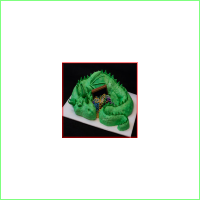 |
|---|
| 882 | /// |
|---|
| 883 | /// </td> |
|---|
| 884 | /// </tr> |
|---|
| 885 | /// <tr> |
|---|
| 886 | /// <td> |
|---|
| 887 | /// |
|---|
| 888 | /// ```dart |
|---|
| 889 | /// const ResizeImage( |
|---|
| 890 | /// AssetImage('dragon_cake.jpg'), |
|---|
| 891 | /// width: 150, |
|---|
| 892 | /// ) |
|---|
| 893 | /// ``` |
|---|
| 894 | /// |
|---|
| 895 | /// </td> |
|---|
| 896 | /// <td> |
|---|
| 897 | /// |
|---|
| 898 | /// 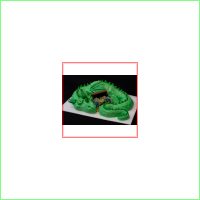 |
|---|
| 899 | /// |
|---|
| 900 | /// </td> |
|---|
| 901 | /// </tr> |
|---|
| 902 | /// <tr> |
|---|
| 903 | /// <td> |
|---|
| 904 | /// |
|---|
| 905 | /// ```dart |
|---|
| 906 | /// const ResizeImage( |
|---|
| 907 | /// AssetImage('dragon_cake.jpg'), |
|---|
| 908 | /// height: 150, |
|---|
| 909 | /// ) |
|---|
| 910 | /// ``` |
|---|
| 911 | /// |
|---|
| 912 | /// </td> |
|---|
| 913 | /// <td> |
|---|
| 914 | /// |
|---|
| 915 | /// 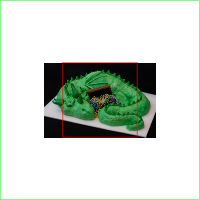 |
|---|
| 916 | /// |
|---|
| 917 | /// </td> |
|---|
| 918 | /// </tr> |
|---|
| 919 | /// <tr> |
|---|
| 920 | /// <td> |
|---|
| 921 | /// |
|---|
| 922 | /// ```dart |
|---|
| 923 | /// const ResizeImage( |
|---|
| 924 | /// AssetImage('dragon_cake.jpg'), |
|---|
| 925 | /// width: 400, |
|---|
| 926 | /// height: 400, |
|---|
| 927 | /// ) |
|---|
| 928 | /// ``` |
|---|
| 929 | /// |
|---|
| 930 | /// </td> |
|---|
| 931 | /// <td> |
|---|
| 932 | /// |
|---|
| 933 | /// 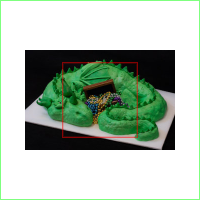 |
|---|
| 934 | /// |
|---|
| 935 | /// </td> |
|---|
| 936 | /// </tr> |
|---|
| 937 | /// <tr> |
|---|
| 938 | /// <td> |
|---|
| 939 | /// |
|---|
| 940 | /// ```dart |
|---|
| 941 | /// const ResizeImage( |
|---|
| 942 | /// AssetImage('dragon_cake.jpg'), |
|---|
| 943 | /// width: 400, |
|---|
| 944 | /// ) |
|---|
| 945 | /// ``` |
|---|
| 946 | /// |
|---|
| 947 | /// </td> |
|---|
| 948 | /// <td> |
|---|
| 949 | /// |
|---|
| 950 | /// 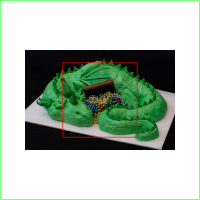 |
|---|
| 951 | /// |
|---|
| 952 | /// </td> |
|---|
| 953 | /// </tr> |
|---|
| 954 | /// <tr> |
|---|
| 955 | /// <td> |
|---|
| 956 | /// |
|---|
| 957 | /// ```dart |
|---|
| 958 | /// const ResizeImage( |
|---|
| 959 | /// AssetImage('dragon_cake.jpg'), |
|---|
| 960 | /// height: 400, |
|---|
| 961 | /// ) |
|---|
| 962 | /// ``` |
|---|
| 963 | /// |
|---|
| 964 | /// </td> |
|---|
| 965 | /// <td> |
|---|
| 966 | /// |
|---|
| 967 | /// 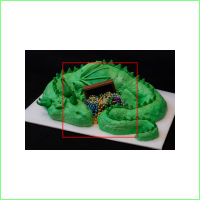 |
|---|
| 968 | /// |
|---|
| 969 | /// </td> |
|---|
| 970 | /// </tr> |
|---|
| 971 | /// <tr> |
|---|
| 972 | /// <td> |
|---|
| 973 | /// |
|---|
| 974 | /// ```dart |
|---|
| 975 | /// const ResizeImage( |
|---|
| 976 | /// AssetImage('dragon_cake.jpg'), |
|---|
| 977 | /// width: 400, |
|---|
| 978 | /// height: 400, |
|---|
| 979 | /// allowUpscaling: true, |
|---|
| 980 | /// ) |
|---|
| 981 | /// ``` |
|---|
| 982 | /// |
|---|
| 983 | /// </td> |
|---|
| 984 | /// <td> |
|---|
| 985 | /// |
|---|
| 986 | /// 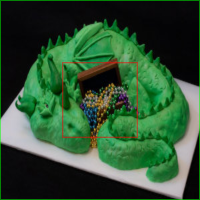 |
|---|
| 987 | /// |
|---|
| 988 | /// </td> |
|---|
| 989 | /// </tr> |
|---|
| 990 | /// <tr> |
|---|
| 991 | /// <td> |
|---|
| 992 | /// |
|---|
| 993 | /// ```dart |
|---|
| 994 | /// const ResizeImage( |
|---|
| 995 | /// AssetImage('dragon_cake.jpg'), |
|---|
| 996 | /// width: 400, |
|---|
| 997 | /// allowUpscaling: true, |
|---|
| 998 | /// ) |
|---|
| 999 | /// ``` |
|---|
| 1000 | /// |
|---|
| 1001 | /// </td> |
|---|
| 1002 | /// <td> |
|---|
| 1003 | /// |
|---|
| 1004 | /// 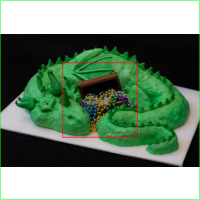 |
|---|
| 1005 | /// |
|---|
| 1006 | /// </td> |
|---|
| 1007 | /// </tr> |
|---|
| 1008 | /// <tr> |
|---|
| 1009 | /// <td> |
|---|
| 1010 | /// |
|---|
| 1011 | /// ```dart |
|---|
| 1012 | /// const ResizeImage( |
|---|
| 1013 | /// AssetImage('dragon_cake.jpg'), |
|---|
| 1014 | /// height: 400, |
|---|
| 1015 | /// allowUpscaling: true, |
|---|
| 1016 | /// ) |
|---|
| 1017 | /// ``` |
|---|
| 1018 | /// |
|---|
| 1019 | /// </td> |
|---|
| 1020 | /// <td> |
|---|
| 1021 | /// |
|---|
| 1022 | /// 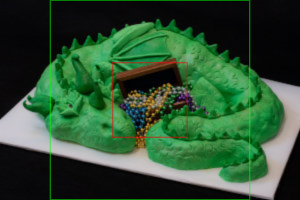 |
|---|
| 1023 | /// |
|---|
| 1024 | /// </td> |
|---|
| 1025 | /// </tr> |
|---|
| 1026 | /// </table> |
|---|
| 1027 | exact, |
|---|
| 1028 | |
|---|
| 1029 | /// Scales the image as necessary to ensure that it fits within the bounding |
|---|
| 1030 | /// box specified by [ResizeImage.width] and [ResizeImage.height] while |
|---|
| 1031 | /// maintaining its aspect ratio. |
|---|
| 1032 | /// |
|---|
| 1033 | /// If [ResizeImage.allowUpscaling] is true, the image will be scaled up or |
|---|
| 1034 | /// down to best fit the bounding box; otherwise it will only ever be scaled |
|---|
| 1035 | /// down. |
|---|
| 1036 | /// |
|---|
| 1037 | /// This is conceptually similar to [BoxFit.contain]. |
|---|
| 1038 | /// |
|---|
| 1039 | /// ## Examples |
|---|
| 1040 | /// |
|---|
| 1041 | /// The examples below show how [ResizeImagePolicy.fit] works in various |
|---|
| 1042 | /// scenarios. In each example, the source image has a size of 300x200 |
|---|
| 1043 | /// (landscape orientation), the red box is a 150x150 square, and the green |
|---|
| 1044 | /// box is a 400x400 square. |
|---|
| 1045 | /// |
|---|
| 1046 | /// <table> |
|---|
| 1047 | /// <tr> |
|---|
| 1048 | /// <td>Scenario</td> |
|---|
| 1049 | /// <td>Output</td> |
|---|
| 1050 | /// </tr> |
|---|
| 1051 | /// <tr> |
|---|
| 1052 | /// <td> |
|---|
| 1053 | /// |
|---|
| 1054 | /// ```dart |
|---|
| 1055 | /// const ResizeImage( |
|---|
| 1056 | /// AssetImage('dragon_cake.jpg'), |
|---|
| 1057 | /// policy: ResizeImagePolicy.fit, |
|---|
| 1058 | /// width: 150, |
|---|
| 1059 | /// height: 150, |
|---|
| 1060 | /// ) |
|---|
| 1061 | /// ``` |
|---|
| 1062 | /// |
|---|
| 1063 | /// </td> |
|---|
| 1064 | /// <td> |
|---|
| 1065 | /// |
|---|
| 1066 | /// 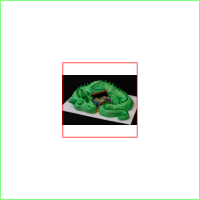 |
|---|
| 1067 | /// |
|---|
| 1068 | /// </td> |
|---|
| 1069 | /// </tr> |
|---|
| 1070 | /// <tr> |
|---|
| 1071 | /// <td> |
|---|
| 1072 | /// |
|---|
| 1073 | /// ```dart |
|---|
| 1074 | /// const ResizeImage( |
|---|
| 1075 | /// AssetImage('dragon_cake.jpg'), |
|---|
| 1076 | /// policy: ResizeImagePolicy.fit, |
|---|
| 1077 | /// width: 150, |
|---|
| 1078 | /// ) |
|---|
| 1079 | /// ``` |
|---|
| 1080 | /// |
|---|
| 1081 | /// </td> |
|---|
| 1082 | /// <td> |
|---|
| 1083 | /// |
|---|
| 1084 | /// 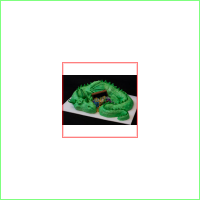 |
|---|
| 1085 | /// |
|---|
| 1086 | /// </td> |
|---|
| 1087 | /// </tr> |
|---|
| 1088 | /// <tr> |
|---|
| 1089 | /// <td> |
|---|
| 1090 | /// |
|---|
| 1091 | /// ```dart |
|---|
| 1092 | /// const ResizeImage( |
|---|
| 1093 | /// AssetImage('dragon_cake.jpg'), |
|---|
| 1094 | /// policy: ResizeImagePolicy.fit, |
|---|
| 1095 | /// height: 150, |
|---|
| 1096 | /// ) |
|---|
| 1097 | /// ``` |
|---|
| 1098 | /// |
|---|
| 1099 | /// </td> |
|---|
| 1100 | /// <td> |
|---|
| 1101 | /// |
|---|
| 1102 | /// 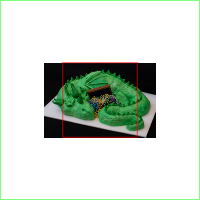 |
|---|
| 1103 | /// |
|---|
| 1104 | /// </td> |
|---|
| 1105 | /// </tr> |
|---|
| 1106 | /// <tr> |
|---|
| 1107 | /// <td> |
|---|
| 1108 | /// |
|---|
| 1109 | /// ```dart |
|---|
| 1110 | /// const ResizeImage( |
|---|
| 1111 | /// AssetImage('dragon_cake.jpg'), |
|---|
| 1112 | /// policy: ResizeImagePolicy.fit, |
|---|
| 1113 | /// width: 400, |
|---|
| 1114 | /// height: 400, |
|---|
| 1115 | /// ) |
|---|
| 1116 | /// ``` |
|---|
| 1117 | /// |
|---|
| 1118 | /// </td> |
|---|
| 1119 | /// <td> |
|---|
| 1120 | /// |
|---|
| 1121 | /// 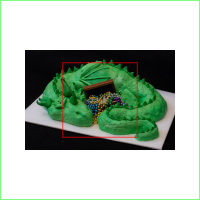 |
|---|
| 1122 | /// |
|---|
| 1123 | /// </td> |
|---|
| 1124 | /// </tr> |
|---|
| 1125 | /// <tr> |
|---|
| 1126 | /// <td> |
|---|
| 1127 | /// |
|---|
| 1128 | /// ```dart |
|---|
| 1129 | /// const ResizeImage( |
|---|
| 1130 | /// AssetImage('dragon_cake.jpg'), |
|---|
| 1131 | /// policy: ResizeImagePolicy.fit, |
|---|
| 1132 | /// width: 400, |
|---|
| 1133 | /// ) |
|---|
| 1134 | /// ``` |
|---|
| 1135 | /// |
|---|
| 1136 | /// </td> |
|---|
| 1137 | /// <td> |
|---|
| 1138 | /// |
|---|
| 1139 | /// 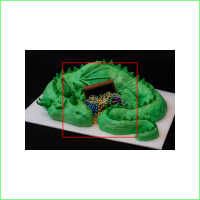 |
|---|
| 1140 | /// |
|---|
| 1141 | /// </td> |
|---|
| 1142 | /// </tr> |
|---|
| 1143 | /// <tr> |
|---|
| 1144 | /// <td> |
|---|
| 1145 | /// |
|---|
| 1146 | /// ```dart |
|---|
| 1147 | /// const ResizeImage( |
|---|
| 1148 | /// AssetImage('dragon_cake.jpg'), |
|---|
| 1149 | /// policy: ResizeImagePolicy.fit, |
|---|
| 1150 | /// height: 400, |
|---|
| 1151 | /// ) |
|---|
| 1152 | /// ``` |
|---|
| 1153 | /// |
|---|
| 1154 | /// </td> |
|---|
| 1155 | /// <td> |
|---|
| 1156 | /// |
|---|
| 1157 | /// 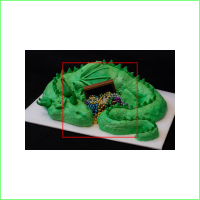 |
|---|
| 1158 | /// |
|---|
| 1159 | /// </td> |
|---|
| 1160 | /// </tr> |
|---|
| 1161 | /// <tr> |
|---|
| 1162 | /// <td> |
|---|
| 1163 | /// |
|---|
| 1164 | /// ```dart |
|---|
| 1165 | /// const ResizeImage( |
|---|
| 1166 | /// AssetImage('dragon_cake.jpg'), |
|---|
| 1167 | /// policy: ResizeImagePolicy.fit, |
|---|
| 1168 | /// width: 400, |
|---|
| 1169 | /// height: 400, |
|---|
| 1170 | /// allowUpscaling: true, |
|---|
| 1171 | /// ) |
|---|
| 1172 | /// ``` |
|---|
| 1173 | /// |
|---|
| 1174 | /// </td> |
|---|
| 1175 | /// <td> |
|---|
| 1176 | /// |
|---|
| 1177 | /// 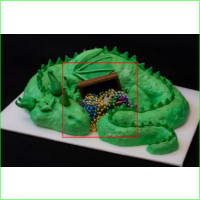 |
|---|
| 1178 | /// |
|---|
| 1179 | /// </td> |
|---|
| 1180 | /// </tr> |
|---|
| 1181 | /// <tr> |
|---|
| 1182 | /// <td> |
|---|
| 1183 | /// |
|---|
| 1184 | /// ```dart |
|---|
| 1185 | /// const ResizeImage( |
|---|
| 1186 | /// AssetImage('dragon_cake.jpg'), |
|---|
| 1187 | /// policy: ResizeImagePolicy.fit, |
|---|
| 1188 | /// width: 400, |
|---|
| 1189 | /// allowUpscaling: true, |
|---|
| 1190 | /// ) |
|---|
| 1191 | /// ``` |
|---|
| 1192 | /// |
|---|
| 1193 | /// </td> |
|---|
| 1194 | /// <td> |
|---|
| 1195 | /// |
|---|
| 1196 | /// 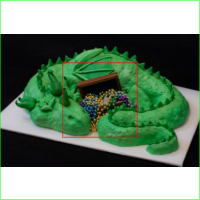 |
|---|
| 1197 | /// |
|---|
| 1198 | /// </td> |
|---|
| 1199 | /// </tr> |
|---|
| 1200 | /// <tr> |
|---|
| 1201 | /// <td> |
|---|
| 1202 | /// |
|---|
| 1203 | /// ```dart |
|---|
| 1204 | /// const ResizeImage( |
|---|
| 1205 | /// AssetImage('dragon_cake.jpg'), |
|---|
| 1206 | /// policy: ResizeImagePolicy.fit, |
|---|
| 1207 | /// height: 400, |
|---|
| 1208 | /// allowUpscaling: true, |
|---|
| 1209 | /// ) |
|---|
| 1210 | /// ``` |
|---|
| 1211 | /// |
|---|
| 1212 | /// </td> |
|---|
| 1213 | /// <td> |
|---|
| 1214 | /// |
|---|
| 1215 | /// 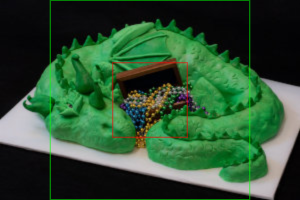 |
|---|
| 1216 | /// |
|---|
| 1217 | /// </td> |
|---|
| 1218 | /// </tr> |
|---|
| 1219 | /// </table> |
|---|
| 1220 | fit, |
|---|
| 1221 | } |
|---|
| 1222 | |
|---|
| 1223 | /// Instructs Flutter to decode the image at the specified dimensions |
|---|
| 1224 | /// instead of at its native size. |
|---|
| 1225 | /// |
|---|
| 1226 | /// This allows finer control of the size of the image in [ImageCache] and is |
|---|
| 1227 | /// generally used to reduce the memory footprint of [ImageCache]. |
|---|
| 1228 | /// |
|---|
| 1229 | /// The decoded image may still be displayed at sizes other than the |
|---|
| 1230 | /// cached size provided here. |
|---|
| 1231 | /// |
|---|
| 1232 | /// The [width] and [height] parameters determine the image resolution. |
|---|
| 1233 | /// These values also set the image's width & height in logical pixels |
|---|
| 1234 | /// if it is unconstrained. |
|---|
| 1235 | /// |
|---|
| 1236 | /// {@tool snippet} |
|---|
| 1237 | /// This example shows how to size the image to half of the screen's width. |
|---|
| 1238 | /// |
|---|
| 1239 | /// ```dart |
|---|
| 1240 | /// Image( |
|---|
| 1241 | /// image: ResizeImage( |
|---|
| 1242 | /// FileImage(File('path/to/image')), |
|---|
| 1243 | /// width: MediaQuery.widthOf(context) ~/ 2, // Half of the screen's width. |
|---|
| 1244 | /// ), |
|---|
| 1245 | /// ); |
|---|
| 1246 | /// ``` |
|---|
| 1247 | /// {@end-tool} |
|---|
| 1248 | /// |
|---|
| 1249 | /// See also: |
|---|
| 1250 | /// |
|---|
| 1251 | /// * [ui.FlutterView.devicePixelRatio], used to convert between physical and |
|---|
| 1252 | /// logical pixels. |
|---|
| 1253 | class ResizeImage extends ImageProvider<ResizeImageKey> { |
|---|
| 1254 | /// Creates an ImageProvider that decodes the image to the specified size. |
|---|
| 1255 | /// |
|---|
| 1256 | /// The cached image will be directly decoded and stored at the resolution |
|---|
| 1257 | /// defined by `width` and `height`. The image will lose detail and |
|---|
| 1258 | /// use less memory if resized to a size smaller than the native size. |
|---|
| 1259 | /// |
|---|
| 1260 | /// At least one of `width` and `height` must be non-null. |
|---|
| 1261 | const ResizeImage( |
|---|
| 1262 | this.imageProvider, { |
|---|
| 1263 | this.width, |
|---|
| 1264 | this.height, |
|---|
| 1265 | this.policy = ResizeImagePolicy.exact, |
|---|
| 1266 | this.allowUpscaling = false, |
|---|
| 1267 | }) : assert(width != null || height != null); |
|---|
| 1268 | |
|---|
| 1269 | /// The [ImageProvider] that this class wraps. |
|---|
| 1270 | final ImageProvider imageProvider; |
|---|
| 1271 | |
|---|
| 1272 | /// The width the image should decode to and cache. |
|---|
| 1273 | /// |
|---|
| 1274 | /// At least one of this and [height] must be non-null. |
|---|
| 1275 | final int? width; |
|---|
| 1276 | |
|---|
| 1277 | /// The height the image should decode to and cache. |
|---|
| 1278 | /// |
|---|
| 1279 | /// At least one of this and [width] must be non-null. |
|---|
| 1280 | final int? height; |
|---|
| 1281 | |
|---|
| 1282 | /// The policy that determines how [width] and [height] are interpreted. |
|---|
| 1283 | /// |
|---|
| 1284 | /// Defaults to [ResizeImagePolicy.exact]. |
|---|
| 1285 | final ResizeImagePolicy policy; |
|---|
| 1286 | |
|---|
| 1287 | /// Whether the [width] and [height] parameters should be clamped to the |
|---|
| 1288 | /// intrinsic width and height of the image. |
|---|
| 1289 | /// |
|---|
| 1290 | /// In general, it is better for memory usage to avoid scaling the image |
|---|
| 1291 | /// beyond its intrinsic dimensions when decoding it. If there is a need to |
|---|
| 1292 | /// scale an image larger, it is better to apply a scale to the canvas, or |
|---|
| 1293 | /// to use an appropriate [Image.fit]. |
|---|
| 1294 | final bool allowUpscaling; |
|---|
| 1295 | |
|---|
| 1296 | /// Composes the `provider` in a [ResizeImage] only when `cacheWidth` and |
|---|
| 1297 | /// `cacheHeight` are not both null. |
|---|
| 1298 | /// |
|---|
| 1299 | /// When `cacheWidth` and `cacheHeight` are both null, this will return the |
|---|
| 1300 | /// `provider` directly. |
|---|
| 1301 | static ImageProvider<Object> resizeIfNeeded( |
|---|
| 1302 | int? cacheWidth, |
|---|
| 1303 | int? cacheHeight, |
|---|
| 1304 | ImageProvider<Object> provider, |
|---|
| 1305 | ) { |
|---|
| 1306 | if (cacheWidth != null || cacheHeight != null) { |
|---|
| 1307 | return ResizeImage(provider, width: cacheWidth, height: cacheHeight); |
|---|
| 1308 | } |
|---|
| 1309 | return provider; |
|---|
| 1310 | } |
|---|
| 1311 | |
|---|
| 1312 | @override |
|---|
| 1313 | @Deprecated( |
|---|
| 1314 | 'Implement loadImage for image loading. ' |
|---|
| 1315 | 'This feature was deprecated after v3.7.0-1.4.pre.' , |
|---|
| 1316 | ) |
|---|
| 1317 | ImageStreamCompleter loadBuffer(ResizeImageKey key, DecoderBufferCallback decode) { |
|---|
| 1318 | Future<ui.Codec> decodeResize( |
|---|
| 1319 | ui.ImmutableBuffer buffer, { |
|---|
| 1320 | int? cacheWidth, |
|---|
| 1321 | int? cacheHeight, |
|---|
| 1322 | bool? allowUpscaling, |
|---|
| 1323 | }) { |
|---|
| 1324 | assert( |
|---|
| 1325 | cacheWidth == null && cacheHeight == null && allowUpscaling == null, |
|---|
| 1326 | 'ResizeImage cannot be composed with another ImageProvider that applies ' |
|---|
| 1327 | 'cacheWidth, cacheHeight, or allowUpscaling.' , |
|---|
| 1328 | ); |
|---|
| 1329 | return decode( |
|---|
| 1330 | buffer, |
|---|
| 1331 | cacheWidth: width, |
|---|
| 1332 | cacheHeight: height, |
|---|
| 1333 | allowUpscaling: this.allowUpscaling, |
|---|
| 1334 | ); |
|---|
| 1335 | } |
|---|
| 1336 | |
|---|
| 1337 | final ImageStreamCompleter completer = imageProvider.loadBuffer( |
|---|
| 1338 | key._providerCacheKey, |
|---|
| 1339 | decodeResize, |
|---|
| 1340 | ); |
|---|
| 1341 | if (!kReleaseMode) { |
|---|
| 1342 | completer.debugLabel = ' ${completer.debugLabel} - Resized( ${key._width}× ${key._height})' ; |
|---|
| 1343 | } |
|---|
| 1344 | _configureErrorListener(completer, key); |
|---|
| 1345 | return completer; |
|---|
| 1346 | } |
|---|
| 1347 | |
|---|
| 1348 | @override |
|---|
| 1349 | ImageStreamCompleter loadImage(ResizeImageKey key, ImageDecoderCallback decode) { |
|---|
| 1350 | Future<ui.Codec> decodeResize( |
|---|
| 1351 | ui.ImmutableBuffer buffer, { |
|---|
| 1352 | ui.TargetImageSizeCallback? getTargetSize, |
|---|
| 1353 | }) { |
|---|
| 1354 | assert( |
|---|
| 1355 | getTargetSize == null, |
|---|
| 1356 | 'ResizeImage cannot be composed with another ImageProvider that applies ' |
|---|
| 1357 | 'getTargetSize.' , |
|---|
| 1358 | ); |
|---|
| 1359 | return decode( |
|---|
| 1360 | buffer, |
|---|
| 1361 | getTargetSize: (int intrinsicWidth, int intrinsicHeight) { |
|---|
| 1362 | switch (policy) { |
|---|
| 1363 | case ResizeImagePolicy.exact: |
|---|
| 1364 | int? targetWidth = width; |
|---|
| 1365 | int? targetHeight = height; |
|---|
| 1366 | |
|---|
| 1367 | if (!allowUpscaling) { |
|---|
| 1368 | if (targetWidth != null && targetWidth > intrinsicWidth) { |
|---|
| 1369 | targetWidth = intrinsicWidth; |
|---|
| 1370 | } |
|---|
| 1371 | if (targetHeight != null && targetHeight > intrinsicHeight) { |
|---|
| 1372 | targetHeight = intrinsicHeight; |
|---|
| 1373 | } |
|---|
| 1374 | } |
|---|
| 1375 | |
|---|
| 1376 | return ui.TargetImageSize(width: targetWidth, height: targetHeight); |
|---|
| 1377 | case ResizeImagePolicy.fit: |
|---|
| 1378 | final double aspectRatio = intrinsicWidth / intrinsicHeight; |
|---|
| 1379 | final int maxWidth = width ?? intrinsicWidth; |
|---|
| 1380 | final int maxHeight = height ?? intrinsicHeight; |
|---|
| 1381 | int targetWidth = intrinsicWidth; |
|---|
| 1382 | int targetHeight = intrinsicHeight; |
|---|
| 1383 | |
|---|
| 1384 | if (targetWidth > maxWidth) { |
|---|
| 1385 | targetWidth = maxWidth; |
|---|
| 1386 | targetHeight = targetWidth ~/ aspectRatio; |
|---|
| 1387 | } |
|---|
| 1388 | |
|---|
| 1389 | if (targetHeight > maxHeight) { |
|---|
| 1390 | targetHeight = maxHeight; |
|---|
| 1391 | targetWidth = (targetHeight * aspectRatio).floor(); |
|---|
| 1392 | } |
|---|
| 1393 | |
|---|
| 1394 | if (allowUpscaling) { |
|---|
| 1395 | if (width == null) { |
|---|
| 1396 | assert(height != null); |
|---|
| 1397 | targetHeight = height!; |
|---|
| 1398 | targetWidth = (targetHeight * aspectRatio).floor(); |
|---|
| 1399 | } else if (height == null) { |
|---|
| 1400 | targetWidth = width!; |
|---|
| 1401 | targetHeight = targetWidth ~/ aspectRatio; |
|---|
| 1402 | } else { |
|---|
| 1403 | final int derivedMaxWidth = (maxHeight * aspectRatio).floor(); |
|---|
| 1404 | final int derivedMaxHeight = maxWidth ~/ aspectRatio; |
|---|
| 1405 | targetWidth = math.min(maxWidth, derivedMaxWidth); |
|---|
| 1406 | targetHeight = math.min(maxHeight, derivedMaxHeight); |
|---|
| 1407 | } |
|---|
| 1408 | } |
|---|
| 1409 | |
|---|
| 1410 | return ui.TargetImageSize(width: targetWidth, height: targetHeight); |
|---|
| 1411 | } |
|---|
| 1412 | }, |
|---|
| 1413 | ); |
|---|
| 1414 | } |
|---|
| 1415 | |
|---|
| 1416 | final ImageStreamCompleter completer = imageProvider.loadImage( |
|---|
| 1417 | key._providerCacheKey, |
|---|
| 1418 | decodeResize, |
|---|
| 1419 | ); |
|---|
| 1420 | if (!kReleaseMode) { |
|---|
| 1421 | completer.debugLabel = ' ${completer.debugLabel} - Resized( ${key._width}× ${key._height})' ; |
|---|
| 1422 | } |
|---|
| 1423 | _configureErrorListener(completer, key); |
|---|
| 1424 | return completer; |
|---|
| 1425 | } |
|---|
| 1426 | |
|---|
| 1427 | void _configureErrorListener(ImageStreamCompleter completer, ResizeImageKey key) { |
|---|
| 1428 | completer.addEphemeralErrorListener((Object exception, StackTrace? stackTrace) { |
|---|
| 1429 | // The microtask is scheduled because of the same reason as NetworkImage: |
|---|
| 1430 | // Depending on where the exception was thrown, the image cache may not |
|---|
| 1431 | // have had a chance to track the key in the cache at all. |
|---|
| 1432 | // Schedule a microtask to give the cache a chance to add the key. |
|---|
| 1433 | scheduleMicrotask(() { |
|---|
| 1434 | PaintingBinding.instance.imageCache.evict(key); |
|---|
| 1435 | }); |
|---|
| 1436 | }); |
|---|
| 1437 | } |
|---|
| 1438 | |
|---|
| 1439 | @override |
|---|
| 1440 | Future<ResizeImageKey> obtainKey(ImageConfiguration configuration) { |
|---|
| 1441 | Completer<ResizeImageKey>? completer; |
|---|
| 1442 | // If the imageProvider.obtainKey future is synchronous, then we will be able to fill in result with |
|---|
| 1443 | // a value before completer is initialized below. |
|---|
| 1444 | SynchronousFuture<ResizeImageKey>? result; |
|---|
| 1445 | imageProvider.obtainKey(configuration).then((Object key) { |
|---|
| 1446 | if (completer == null) { |
|---|
| 1447 | // This future has completed synchronously (completer was never assigned), |
|---|
| 1448 | // so we can directly create the synchronous result to return. |
|---|
| 1449 | result = SynchronousFuture<ResizeImageKey>( |
|---|
| 1450 | ResizeImageKey._(key, policy, width, height, allowUpscaling), |
|---|
| 1451 | ); |
|---|
| 1452 | } else { |
|---|
| 1453 | // This future did not synchronously complete. |
|---|
| 1454 | completer.complete(ResizeImageKey._(key, policy, width, height, allowUpscaling)); |
|---|
| 1455 | } |
|---|
| 1456 | }); |
|---|
| 1457 | if (result != null) { |
|---|
| 1458 | return result!; |
|---|
| 1459 | } |
|---|
| 1460 | // If the code reaches here, it means the imageProvider.obtainKey was not |
|---|
| 1461 | // completed sync, so we initialize the completer for completion later. |
|---|
| 1462 | completer = Completer<ResizeImageKey>(); |
|---|
| 1463 | return completer.future; |
|---|
| 1464 | } |
|---|
| 1465 | } |
|---|
| 1466 | |
|---|
| 1467 | /// The strategy for [Image.network] and [NetworkImage] to decide whether to |
|---|
| 1468 | /// display images in HTML elements contained in a platform view instead of |
|---|
| 1469 | /// fetching bytes. |
|---|
| 1470 | /// |
|---|
| 1471 | /// See [Image.network] for more explanation on the impact. |
|---|
| 1472 | /// |
|---|
| 1473 | /// This option is only effective on the Web platform. Other platforms always |
|---|
| 1474 | /// display network images by fetching bytes. |
|---|
| 1475 | enum WebHtmlElementStrategy { |
|---|
| 1476 | /// Only show images by fetching bytes, and report errors if the fetch |
|---|
| 1477 | /// encounters errors. |
|---|
| 1478 | never, |
|---|
| 1479 | |
|---|
| 1480 | /// Prefer fetching bytes to display images, and fall back to HTML elements |
|---|
| 1481 | /// when fetching bytes is not available. |
|---|
| 1482 | /// |
|---|
| 1483 | /// This strategy uses HTML elements only if `headers` is empty and the fetch |
|---|
| 1484 | /// encounters errors. Errors may still be reported if neither approach works. |
|---|
| 1485 | fallback, |
|---|
| 1486 | |
|---|
| 1487 | /// Prefer HTML elements to display images, and fall back to fetching bytes |
|---|
| 1488 | /// when HTML elements do not work. |
|---|
| 1489 | /// |
|---|
| 1490 | /// This strategy fetches bytes only if `headers` is not empty, since HTML |
|---|
| 1491 | /// elements do not support headers. Errors may still be reported if neither |
|---|
| 1492 | /// approach works. |
|---|
| 1493 | prefer, |
|---|
| 1494 | } |
|---|
| 1495 | |
|---|
| 1496 | /// Fetches the given URL from the network, associating it with the given scale. |
|---|
| 1497 | /// |
|---|
| 1498 | /// The image will be cached regardless of cache headers from the server. |
|---|
| 1499 | /// |
|---|
| 1500 | /// Typically this class resolves to an image stream that ultimately produces |
|---|
| 1501 | /// [dart:ui.Image]s. On the Web platform, the [webHtmlElementStrategy] |
|---|
| 1502 | /// parameter can be used to make the image stream ultimately produce an |
|---|
| 1503 | /// [WebImageInfo] instead, which makes [Image.network] display the image as an |
|---|
| 1504 | /// HTML element in a platform view. The feature is by default turned off |
|---|
| 1505 | /// ([WebHtmlElementStrategy.never]). See [Image.network] for more explanation. |
|---|
| 1506 | /// |
|---|
| 1507 | /// See also: |
|---|
| 1508 | /// |
|---|
| 1509 | /// * [Image.network] for a shorthand of an [Image] widget backed by [NetworkImage]. |
|---|
| 1510 | /// * The example at [ImageProvider], which shows a custom variant of this class |
|---|
| 1511 | /// that applies different logic for fetching the image. |
|---|
| 1512 | // TODO(ianh): Find some way to honor cache headers to the extent that when the |
|---|
| 1513 | // last reference to an image is released, we proactively evict the image from |
|---|
| 1514 | // our cache if the headers describe the image as having expired at that point. |
|---|
| 1515 | abstract class NetworkImage extends ImageProvider<NetworkImage> { |
|---|
| 1516 | /// Creates an object that fetches the image at the given URL. |
|---|
| 1517 | /// |
|---|
| 1518 | /// The [scale] argument is the linear scale factor for drawing this image at |
|---|
| 1519 | /// its intended size. See [ImageInfo.scale] for more information. |
|---|
| 1520 | /// |
|---|
| 1521 | /// The [webHtmlElementStrategy] option is by default |
|---|
| 1522 | /// [WebHtmlElementStrategy.never]. |
|---|
| 1523 | const factory NetworkImage( |
|---|
| 1524 | String url, { |
|---|
| 1525 | double scale, |
|---|
| 1526 | Map<String, String>? headers, |
|---|
| 1527 | WebHtmlElementStrategy webHtmlElementStrategy, |
|---|
| 1528 | }) = network_image.NetworkImage; |
|---|
| 1529 | |
|---|
| 1530 | /// The URL from which the image will be fetched. |
|---|
| 1531 | String get url; |
|---|
| 1532 | |
|---|
| 1533 | /// The scale to place in the [ImageInfo] object of the image. |
|---|
| 1534 | double get scale; |
|---|
| 1535 | |
|---|
| 1536 | /// The HTTP headers that will be used with [HttpClient.get] to fetch image from network. |
|---|
| 1537 | /// |
|---|
| 1538 | /// When running Flutter on the web, headers are not used. |
|---|
| 1539 | Map<String, String>? get headers; |
|---|
| 1540 | |
|---|
| 1541 | /// On the Web platform, specifies when the image is loaded as a |
|---|
| 1542 | /// [WebImageInfo], which causes [Image.network] to display the image in an |
|---|
| 1543 | /// HTML element in a platform view. |
|---|
| 1544 | /// |
|---|
| 1545 | /// See [Image.network] for more explanation. |
|---|
| 1546 | /// |
|---|
| 1547 | /// Defaults to [WebHtmlElementStrategy.never]. |
|---|
| 1548 | /// |
|---|
| 1549 | /// Has no effect on other platforms, which always fetch bytes. |
|---|
| 1550 | WebHtmlElementStrategy get webHtmlElementStrategy; |
|---|
| 1551 | |
|---|
| 1552 | @override |
|---|
| 1553 | ImageStreamCompleter loadBuffer(NetworkImage key, DecoderBufferCallback decode); |
|---|
| 1554 | |
|---|
| 1555 | @override |
|---|
| 1556 | ImageStreamCompleter loadImage(NetworkImage key, ImageDecoderCallback decode); |
|---|
| 1557 | } |
|---|
| 1558 | |
|---|
| 1559 | /// Decodes the given [File] object as an image, associating it with the given |
|---|
| 1560 | /// scale. |
|---|
| 1561 | /// |
|---|
| 1562 | /// The provider does not monitor the file for changes. If you expect the |
|---|
| 1563 | /// underlying data to change, you should call the [evict] method. |
|---|
| 1564 | /// |
|---|
| 1565 | /// See also: |
|---|
| 1566 | /// |
|---|
| 1567 | /// * [Image.file] for a shorthand of an [Image] widget backed by [FileImage]. |
|---|
| 1568 | @immutable |
|---|
| 1569 | class FileImage extends ImageProvider<FileImage> { |
|---|
| 1570 | /// Creates an object that decodes a [File] as an image. |
|---|
| 1571 | const FileImage(this.file, {this.scale = 1.0}); |
|---|
| 1572 | |
|---|
| 1573 | /// The file to decode into an image. |
|---|
| 1574 | final File file; |
|---|
| 1575 | |
|---|
| 1576 | /// The scale to place in the [ImageInfo] object of the image. |
|---|
| 1577 | final double scale; |
|---|
| 1578 | |
|---|
| 1579 | @override |
|---|
| 1580 | Future<FileImage> obtainKey(ImageConfiguration configuration) { |
|---|
| 1581 | return SynchronousFuture<FileImage>(this); |
|---|
| 1582 | } |
|---|
| 1583 | |
|---|
| 1584 | @override |
|---|
| 1585 | ImageStreamCompleter loadBuffer(FileImage key, DecoderBufferCallback decode) { |
|---|
| 1586 | return MultiFrameImageStreamCompleter( |
|---|
| 1587 | codec: _loadAsync(key, decode: decode), |
|---|
| 1588 | scale: key.scale, |
|---|
| 1589 | debugLabel: key.file.path, |
|---|
| 1590 | informationCollector: () => <DiagnosticsNode>[ErrorDescription('Path: ${file.path}' )], |
|---|
| 1591 | ); |
|---|
| 1592 | } |
|---|
| 1593 | |
|---|
| 1594 | @override |
|---|
| 1595 | @protected |
|---|
| 1596 | ImageStreamCompleter loadImage(FileImage key, ImageDecoderCallback decode) { |
|---|
| 1597 | return MultiFrameImageStreamCompleter( |
|---|
| 1598 | codec: _loadAsync(key, decode: decode), |
|---|
| 1599 | scale: key.scale, |
|---|
| 1600 | debugLabel: key.file.path, |
|---|
| 1601 | informationCollector: () => <DiagnosticsNode>[ErrorDescription('Path: ${file.path}' )], |
|---|
| 1602 | ); |
|---|
| 1603 | } |
|---|
| 1604 | |
|---|
| 1605 | Future<ui.Codec> _loadAsync(FileImage key, {required _SimpleDecoderCallback decode}) async { |
|---|
| 1606 | assert(key == this); |
|---|
| 1607 | // TODO(jonahwilliams): making this sync caused test failures that seem to |
|---|
| 1608 | // indicate that we can fail to call evict unless at least one await has |
|---|
| 1609 | // occurred in the test. |
|---|
| 1610 | // https://github.com/flutter/flutter/issues/113044 |
|---|
| 1611 | final int lengthInBytes = await file.length(); |
|---|
| 1612 | if (lengthInBytes == 0) { |
|---|
| 1613 | // The file may become available later. |
|---|
| 1614 | PaintingBinding.instance.imageCache.evict(key); |
|---|
| 1615 | throw StateError(' $file is empty and cannot be loaded as an image.' ); |
|---|
| 1616 | } |
|---|
| 1617 | return (file.runtimeType == File) |
|---|
| 1618 | ? decode(await ui.ImmutableBuffer.fromFilePath(file.path)) |
|---|
| 1619 | : decode(await ui.ImmutableBuffer.fromUint8List(await file.readAsBytes())); |
|---|
| 1620 | } |
|---|
| 1621 | |
|---|
| 1622 | @override |
|---|
| 1623 | bool operator ==(Object other) { |
|---|
| 1624 | if (other.runtimeType != runtimeType) { |
|---|
| 1625 | return false; |
|---|
| 1626 | } |
|---|
| 1627 | return other is FileImage && other.file.path == file.path && other.scale == scale; |
|---|
| 1628 | } |
|---|
| 1629 | |
|---|
| 1630 | @override |
|---|
| 1631 | int get hashCode => Object.hash(file.path, scale); |
|---|
| 1632 | |
|---|
| 1633 | @override |
|---|
| 1634 | String toString() => |
|---|
| 1635 | ' ${objectRuntimeType(this, 'FileImage' )}(" ${file.path}", scale: ${scale.toStringAsFixed(1)})' ; |
|---|
| 1636 | } |
|---|
| 1637 | |
|---|
| 1638 | /// Decodes the given [Uint8List] buffer as an image, associating it with the |
|---|
| 1639 | /// given scale. |
|---|
| 1640 | /// |
|---|
| 1641 | /// The provided [bytes] buffer should not be changed after it is provided |
|---|
| 1642 | /// to a [MemoryImage]. To provide an [ImageStream] that represents an image |
|---|
| 1643 | /// that changes over time, consider creating a new subclass of [ImageProvider] |
|---|
| 1644 | /// whose [loadImage] method returns a subclass of [ImageStreamCompleter] that |
|---|
| 1645 | /// can handle providing multiple images. |
|---|
| 1646 | /// |
|---|
| 1647 | /// See also: |
|---|
| 1648 | /// |
|---|
| 1649 | /// * [Image.memory] for a shorthand of an [Image] widget backed by [MemoryImage]. |
|---|
| 1650 | @immutable |
|---|
| 1651 | class MemoryImage extends ImageProvider<MemoryImage> { |
|---|
| 1652 | /// Creates an object that decodes a [Uint8List] buffer as an image. |
|---|
| 1653 | const MemoryImage(this.bytes, {this.scale = 1.0}); |
|---|
| 1654 | |
|---|
| 1655 | /// The bytes to decode into an image. |
|---|
| 1656 | /// |
|---|
| 1657 | /// The bytes represent encoded image bytes and can be encoded in any of the |
|---|
| 1658 | /// following supported image formats: {@macro dart.ui.imageFormats} |
|---|
| 1659 | /// |
|---|
| 1660 | /// See also: |
|---|
| 1661 | /// |
|---|
| 1662 | /// * [PaintingBinding.instantiateImageCodecWithSize] |
|---|
| 1663 | final Uint8List bytes; |
|---|
| 1664 | |
|---|
| 1665 | /// The scale to place in the [ImageInfo] object of the image. |
|---|
| 1666 | /// |
|---|
| 1667 | /// See also: |
|---|
| 1668 | /// |
|---|
| 1669 | /// * [ImageInfo.scale], which gives more information on how this scale is |
|---|
| 1670 | /// applied. |
|---|
| 1671 | final double scale; |
|---|
| 1672 | |
|---|
| 1673 | @override |
|---|
| 1674 | Future<MemoryImage> obtainKey(ImageConfiguration configuration) { |
|---|
| 1675 | return SynchronousFuture<MemoryImage>(this); |
|---|
| 1676 | } |
|---|
| 1677 | |
|---|
| 1678 | @override |
|---|
| 1679 | ImageStreamCompleter loadBuffer(MemoryImage key, DecoderBufferCallback decode) { |
|---|
| 1680 | assert(key == this); |
|---|
| 1681 | return MultiFrameImageStreamCompleter( |
|---|
| 1682 | codec: _loadAsync(key, decode: decode), |
|---|
| 1683 | scale: key.scale, |
|---|
| 1684 | debugLabel: 'MemoryImage( ${describeIdentity(key.bytes)})' , |
|---|
| 1685 | ); |
|---|
| 1686 | } |
|---|
| 1687 | |
|---|
| 1688 | @override |
|---|
| 1689 | ImageStreamCompleter loadImage(MemoryImage key, ImageDecoderCallback decode) { |
|---|
| 1690 | return MultiFrameImageStreamCompleter( |
|---|
| 1691 | codec: _loadAsync(key, decode: decode), |
|---|
| 1692 | scale: key.scale, |
|---|
| 1693 | debugLabel: 'MemoryImage( ${describeIdentity(key.bytes)})' , |
|---|
| 1694 | ); |
|---|
| 1695 | } |
|---|
| 1696 | |
|---|
| 1697 | Future<ui.Codec> _loadAsync(MemoryImage key, {required _SimpleDecoderCallback decode}) async { |
|---|
| 1698 | assert(key == this); |
|---|
| 1699 | return decode(await ui.ImmutableBuffer.fromUint8List(bytes)); |
|---|
| 1700 | } |
|---|
| 1701 | |
|---|
| 1702 | @override |
|---|
| 1703 | bool operator ==(Object other) { |
|---|
| 1704 | if (other.runtimeType != runtimeType) { |
|---|
| 1705 | return false; |
|---|
| 1706 | } |
|---|
| 1707 | return other is MemoryImage && other.bytes == bytes && other.scale == scale; |
|---|
| 1708 | } |
|---|
| 1709 | |
|---|
| 1710 | @override |
|---|
| 1711 | int get hashCode => Object.hash(bytes.hashCode, scale); |
|---|
| 1712 | |
|---|
| 1713 | @override |
|---|
| 1714 | String toString() => |
|---|
| 1715 | ' ${objectRuntimeType(this, 'MemoryImage' )}( ${describeIdentity(bytes)}, scale: ${scale.toStringAsFixed(1)})' ; |
|---|
| 1716 | } |
|---|
| 1717 | |
|---|
| 1718 | /// Fetches an image from an [AssetBundle], associating it with the given scale. |
|---|
| 1719 | /// |
|---|
| 1720 | /// This implementation requires an explicit final [assetName] and [scale] on |
|---|
| 1721 | /// construction, and ignores the device pixel ratio and size in the |
|---|
| 1722 | /// configuration passed into [resolve]. For a resolution-aware variant that |
|---|
| 1723 | /// uses the configuration to pick an appropriate image based on the device |
|---|
| 1724 | /// pixel ratio and size, see [AssetImage]. |
|---|
| 1725 | /// |
|---|
| 1726 | /// ## Fetching assets |
|---|
| 1727 | /// |
|---|
| 1728 | /// When fetching an image provided by the app itself, use the [assetName] |
|---|
| 1729 | /// argument to name the asset to choose. For instance, consider a directory |
|---|
| 1730 | /// `icons` with an image `heart.png`. First, the `pubspec.yaml` of the project |
|---|
| 1731 | /// should specify its assets in the `flutter` section: |
|---|
| 1732 | /// |
|---|
| 1733 | /// ```yaml |
|---|
| 1734 | /// flutter: |
|---|
| 1735 | /// assets: |
|---|
| 1736 | /// - icons/heart.png |
|---|
| 1737 | /// ``` |
|---|
| 1738 | /// |
|---|
| 1739 | /// Then, to fetch the image and associate it with scale `1.5`, use: |
|---|
| 1740 | /// |
|---|
| 1741 | /// {@tool snippet} |
|---|
| 1742 | /// ```dart |
|---|
| 1743 | /// const ExactAssetImage('icons/heart.png', scale: 1.5) |
|---|
| 1744 | /// ``` |
|---|
| 1745 | /// {@end-tool} |
|---|
| 1746 | /// |
|---|
| 1747 | /// ## Assets in packages |
|---|
| 1748 | /// |
|---|
| 1749 | /// To fetch an asset from a package, the [package] argument must be provided. |
|---|
| 1750 | /// For instance, suppose the structure above is inside a package called |
|---|
| 1751 | /// `my_icons`. Then to fetch the image, use: |
|---|
| 1752 | /// |
|---|
| 1753 | /// {@tool snippet} |
|---|
| 1754 | /// ```dart |
|---|
| 1755 | /// const ExactAssetImage('icons/heart.png', scale: 1.5, package: 'my_icons') |
|---|
| 1756 | /// ``` |
|---|
| 1757 | /// {@end-tool} |
|---|
| 1758 | /// |
|---|
| 1759 | /// Assets used by the package itself should also be fetched using the [package] |
|---|
| 1760 | /// argument as above. |
|---|
| 1761 | /// |
|---|
| 1762 | /// If the desired asset is specified in the `pubspec.yaml` of the package, it |
|---|
| 1763 | /// is bundled automatically with the app. In particular, assets used by the |
|---|
| 1764 | /// package itself must be specified in its `pubspec.yaml`. |
|---|
| 1765 | /// |
|---|
| 1766 | /// A package can also choose to have assets in its 'lib/' folder that are not |
|---|
| 1767 | /// specified in its `pubspec.yaml`. In this case for those images to be |
|---|
| 1768 | /// bundled, the app has to specify which ones to include. For instance a |
|---|
| 1769 | /// package named `fancy_backgrounds` could have: |
|---|
| 1770 | /// |
|---|
| 1771 | /// lib/backgrounds/background1.png |
|---|
| 1772 | /// lib/backgrounds/background2.png |
|---|
| 1773 | /// lib/backgrounds/background3.png |
|---|
| 1774 | /// |
|---|
| 1775 | /// To include, say the first image, the `pubspec.yaml` of the app should specify |
|---|
| 1776 | /// it in the `assets` section: |
|---|
| 1777 | /// |
|---|
| 1778 | /// ```yaml |
|---|
| 1779 | /// assets: |
|---|
| 1780 | /// - packages/fancy_backgrounds/backgrounds/background1.png |
|---|
| 1781 | /// ``` |
|---|
| 1782 | /// |
|---|
| 1783 | /// The `lib/` is implied, so it should not be included in the asset path. |
|---|
| 1784 | /// |
|---|
| 1785 | /// See also: |
|---|
| 1786 | /// |
|---|
| 1787 | /// * [Image.asset] for a shorthand of an [Image] widget backed by |
|---|
| 1788 | /// [ExactAssetImage] when using a scale. |
|---|
| 1789 | @immutable |
|---|
| 1790 | class ExactAssetImage extends AssetBundleImageProvider { |
|---|
| 1791 | /// Creates an object that fetches the given image from an asset bundle. |
|---|
| 1792 | /// |
|---|
| 1793 | /// The [scale] argument defaults to 1. The [bundle] argument may be null, in |
|---|
| 1794 | /// which case the bundle provided in the [ImageConfiguration] passed to the |
|---|
| 1795 | /// [resolve] call will be used instead. |
|---|
| 1796 | /// |
|---|
| 1797 | /// The [package] argument must be non-null when fetching an asset that is |
|---|
| 1798 | /// included in a package. See the documentation for the [ExactAssetImage] class |
|---|
| 1799 | /// itself for details. |
|---|
| 1800 | const ExactAssetImage(this.assetName, {this.scale = 1.0, this.bundle, this.package}); |
|---|
| 1801 | |
|---|
| 1802 | /// The name of the asset. |
|---|
| 1803 | final String assetName; |
|---|
| 1804 | |
|---|
| 1805 | /// The key to use to obtain the resource from the [bundle]. This is the |
|---|
| 1806 | /// argument passed to [AssetBundle.load]. |
|---|
| 1807 | String get keyName => package == null ? assetName : 'packages/ $package/ $assetName' ; |
|---|
| 1808 | |
|---|
| 1809 | /// The scale to place in the [ImageInfo] object of the image. |
|---|
| 1810 | final double scale; |
|---|
| 1811 | |
|---|
| 1812 | /// The bundle from which the image will be obtained. |
|---|
| 1813 | /// |
|---|
| 1814 | /// If the provided [bundle] is null, the bundle provided in the |
|---|
| 1815 | /// [ImageConfiguration] passed to the [resolve] call will be used instead. If |
|---|
| 1816 | /// that is also null, the [rootBundle] is used. |
|---|
| 1817 | /// |
|---|
| 1818 | /// The image is obtained by calling [AssetBundle.load] on the given [bundle] |
|---|
| 1819 | /// using the key given by [keyName]. |
|---|
| 1820 | final AssetBundle? bundle; |
|---|
| 1821 | |
|---|
| 1822 | /// The name of the package from which the image is included. See the |
|---|
| 1823 | /// documentation for the [ExactAssetImage] class itself for details. |
|---|
| 1824 | final String? package; |
|---|
| 1825 | |
|---|
| 1826 | @override |
|---|
| 1827 | Future<AssetBundleImageKey> obtainKey(ImageConfiguration configuration) { |
|---|
| 1828 | return SynchronousFuture<AssetBundleImageKey>( |
|---|
| 1829 | AssetBundleImageKey( |
|---|
| 1830 | bundle: bundle ?? configuration.bundle ?? rootBundle, |
|---|
| 1831 | name: keyName, |
|---|
| 1832 | scale: scale, |
|---|
| 1833 | ), |
|---|
| 1834 | ); |
|---|
| 1835 | } |
|---|
| 1836 | |
|---|
| 1837 | @override |
|---|
| 1838 | bool operator ==(Object other) { |
|---|
| 1839 | if (other.runtimeType != runtimeType) { |
|---|
| 1840 | return false; |
|---|
| 1841 | } |
|---|
| 1842 | return other is ExactAssetImage && |
|---|
| 1843 | other.keyName == keyName && |
|---|
| 1844 | other.scale == scale && |
|---|
| 1845 | other.bundle == bundle; |
|---|
| 1846 | } |
|---|
| 1847 | |
|---|
| 1848 | @override |
|---|
| 1849 | int get hashCode => Object.hash(keyName, scale, bundle); |
|---|
| 1850 | |
|---|
| 1851 | @override |
|---|
| 1852 | String toString() => |
|---|
| 1853 | ' ${objectRuntimeType(this, 'ExactAssetImage' )}(name: " $keyName", scale: ${scale.toStringAsFixed(1)}, bundle: $bundle)' ; |
|---|
| 1854 | } |
|---|
| 1855 | |
|---|
| 1856 | // A completer used when resolving an image fails sync. |
|---|
| 1857 | class _ErrorImageCompleter extends ImageStreamCompleter {} |
|---|
| 1858 | |
|---|
| 1859 | /// The exception thrown when the HTTP request to load a network image fails. |
|---|
| 1860 | class NetworkImageLoadException implements Exception { |
|---|
| 1861 | /// Creates a [NetworkImageLoadException] with the specified http [statusCode] |
|---|
| 1862 | /// and [uri]. |
|---|
| 1863 | NetworkImageLoadException({required this.statusCode, required this.uri}) |
|---|
| 1864 | : _message = 'HTTP request failed, statusCode: $statusCode, $uri' ; |
|---|
| 1865 | |
|---|
| 1866 | /// The HTTP status code from the server. |
|---|
| 1867 | final int statusCode; |
|---|
| 1868 | |
|---|
| 1869 | /// A human-readable error message. |
|---|
| 1870 | final String _message; |
|---|
| 1871 | |
|---|
| 1872 | /// Resolved URL of the requested image. |
|---|
| 1873 | final Uri uri; |
|---|
| 1874 | |
|---|
| 1875 | @override |
|---|
| 1876 | String toString() => _message; |
|---|
| 1877 | } |
|---|
| 1878 | |
|---|
